How I Turned My Fashion Habits Into Smart Wealth Moves
We all love upgrading our style—new sneakers, that perfect jacket, the latest bag. But what if your fashion spending could actually help grow your wealth instead of draining it? I used to overspend on trends, chasing quick fixes for confidence. Then I realized: true style isn’t just what you wear—it’s how you think. This is the story of how I shifted from mindless buying to strategic consumption, where every purchase aligns with my financial goals. Let me show you how fashion and financial growth can actually go hand in hand.
The Hidden Cost of Looking Good
Fashion is more than fabric and design—it’s identity, expression, and sometimes, social currency. Yet behind the allure of looking polished lies a quiet financial drain that many overlook. The average American woman spends over $2,000 annually on clothing, with a significant portion going toward items worn fewer than five times. These purchases often stem not from necessity but from emotional triggers: an upcoming event, a social media post, or the need to feel seen. Each impulse buy may seem small—$80 for a blouse, $120 for shoes—but their cumulative effect erodes long-term financial potential.
Consider this: that $200 dress worn three times costs nearly $67 per wear. If the same amount had been invested in a diversified index fund averaging 7% annual returns, it could grow to over $500 in ten years. The opportunity cost isn’t just the money spent; it’s the growth that never happened. Fast fashion amplifies this issue, encouraging rapid turnover with low prices and lower quality. The result? A closet full of items that lose value the moment they’re worn, while savings accounts remain stagnant.
Societal expectations further fuel this cycle. From workplace dress codes to holiday gatherings, there’s constant pressure to appear updated and on-trend. Influencers and targeted ads reinforce the idea that looking good requires constant renewal. But this mindset treats clothing as disposable, not as part of a broader lifestyle strategy. The shift begins with awareness: every dollar spent on fleeting trends is a dollar not working toward financial security. Recognizing this connection between consumption and wealth is the first step toward meaningful change.
From Consumer to Investor: A Mindset Shift
Changing your relationship with fashion starts with a fundamental reframe: from seeing clothing as a cost to viewing it as a potential asset. This doesn’t mean turning your closet into a stock portfolio, but rather adopting the discipline of an investor when making fashion choices. Investors don’t act on impulse; they evaluate risk, assess value, and plan for long-term returns. Applying this logic to shopping transforms the experience from emotional to intentional.
Take the example of two jackets: one costs $60 and is made from synthetic materials likely to pill within a season; the other, $250, is crafted from durable wool with timeless tailoring. On the surface, the first seems like the smarter buy. But if the $250 jacket is worn 100 times over five years, its cost per wear drops to $2.50—less than many fast fashion items. More importantly, it retains its appearance, supports confidence in professional settings, and may even hold resale value. The higher upfront cost becomes an investment in both image and financial prudence.
This shift requires delayed gratification—a skill central to financial health. Instead of buying to soothe stress or mark a milestone, you begin to ask: Will I wear this at least 30 times? Does it complement my existing wardrobe? Can it transition across seasons? These questions create space between desire and decision, allowing rational judgment to prevail. Over time, this practice strengthens financial discipline in other areas, from grocery shopping to retirement planning. The wardrobe becomes a training ground for smarter money habits.
The Value Equation: Price vs. Worth
Understanding the difference between price and worth is essential to building wealth through fashion. Price is what you pay; worth is what you get over time. A $30 t-shirt from a fast fashion brand may seem affordable, but if it fades after two washes, its worth is minimal. Conversely, a $120 organic cotton tee from a sustainable brand might last five years with proper care, making its long-term value far greater. This principle extends beyond durability to versatility, emotional utility, and environmental impact.
One powerful tool for evaluating worth is the cost-per-wear formula: divide the price of an item by the number of times you expect to wear it. A $400 coat worn 80 times over eight winters costs just $5 per wear—less than a daily coffee. But if it sits unused because it’s too trendy or ill-fitting, its cost per wear approaches infinity. This simple calculation encourages thoughtful purchasing and discourages clutter. It also reveals how some of the cheapest items are, in fact, the most expensive.
Worth also includes how an item supports your life. A well-tailored blazer can boost confidence in job interviews or client meetings, potentially influencing career outcomes. A comfortable, stylish work-from-home outfit can improve daily mood and productivity. These intangible benefits contribute to overall well-being, which in turn supports financial stability. When you begin to measure worth holistically—not just in dollars but in utility, emotion, and long-term use—your spending naturally becomes more strategic. You stop buying to fill a void and start acquiring to enhance your life.
Building a Wearable Asset Portfolio
Just as investors diversify across stocks, bonds, and real estate, it’s possible to build a wardrobe that includes items with stable or appreciating value. These are not everyday basics but select pieces—designer handbags, limited-edition sneakers, vintage coats—that maintain desirability over time. The key is identifying items with three traits: brand heritage, scarcity, and condition. A classic leather handbag from a renowned house, for example, often retains 60–80% of its value on the resale market, especially if kept in excellent shape.
Platforms like Vestiaire Collective, Rebag, and The RealReal have made it easier to track and trade these items, creating a transparent secondary market. Some iconic pieces—like the Hermès Birkin or Chanel flap bag—have historically appreciated at rates rivaling fine art or luxury watches. While most fashion items depreciate, a small, curated selection can serve as liquid assets, convertible to cash when needed. This doesn’t mean treating your closet like a trading desk, but rather being selective about a few high-potential purchases.
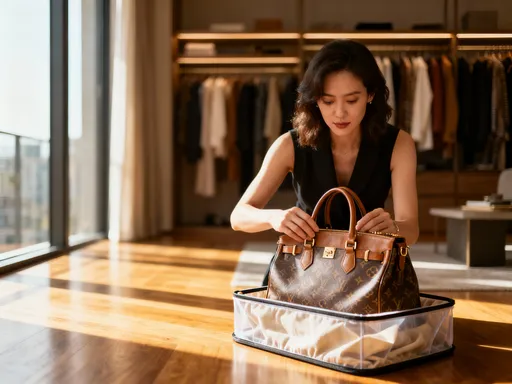
To integrate this into a broader financial strategy, set clear guidelines. Limit such purchases to a small percentage of your discretionary budget—say, 10–15%. Prioritize timeless designs over seasonal trends. Store items properly: use dust bags, avoid sunlight, and keep authenticity cards. Track purchase dates and resale values over time, just as you would monitor an investment. This approach turns emotional spending into disciplined allocation, where each piece has a role beyond aesthetics. It’s not about chasing hype, but about making informed choices that align with both personal taste and financial sense.
Resale, Rent, Reuse: Turning Style Into Income
The rise of the circular fashion economy has transformed wardrobes from cost centers into potential income streams. Resale platforms allow individuals to recoup 30–70% of an item’s original value, depending on brand, condition, and demand. Rotating pieces through these channels can offset new purchases or contribute to savings goals. For example, selling a gently used designer coat for $300 can fund half the cost of a new winter jacket—or go directly into an emergency fund.
Rental services like Rent the Runway or Nuuly offer another model: access without ownership. Paying a monthly fee to wear high-end pieces for special occasions reduces the need to buy expensive one-time wear items. This is especially valuable for events like weddings or galas, where the cost of a dress might otherwise exceed $500 but is worn only once. Renting turns fixed costs into variable ones, improving cash flow and reducing clutter.
Consignment stores and peer-to-peer marketplaces add further flexibility. Local boutiques may take vintage or designer items on commission, handling sales and customer service. Apps like Poshmark or Depop make it easy to list items, with built-in shipping labels and payment processing. While these methods require time and effort, they foster a mindset of stewardship—viewing clothing as something to be cared for, rotated, and reused rather than discarded.
However, it’s important to avoid overcommitting. Monetizing fashion should enhance, not consume, your time. Emotional attachment can also interfere; holding onto items “just in case” reduces their resale value. Set clear rules: if an item hasn’t been worn in a year, consider selling or donating. Treat your closet like a portfolio—regularly review, prune underperformers, and reinvest proceeds wisely. This cycle of reuse and renewal supports both sustainability and financial health.
Risk Control in Fashion Investing
Like any alternative investment, treating fashion as a financial tool carries risks. The most common is overpaying—buying a designer item at full price with the expectation it will appreciate, only to find the market saturated or the style outdated. Unlike stocks or real estate, fashion values are driven by taste, trends, and brand perception, which can shift rapidly. A bag that sells for $5,000 today might fetch half that in five years if the brand loses relevance.
Poor storage and maintenance also erode value. Leather dries out, metal hardware tarnishes, and fabrics yellow if not properly cared for. Keeping items in dust bags, using shoe trees, and avoiding direct sunlight can preserve condition. For high-value pieces, consider climate-controlled storage or professional cleaning. These small habits protect your investment and ensure maximum resale potential.
Emotional bias is another pitfall. It’s easy to justify a purchase because “it’s an investment,” when in reality, it’s a desire masked as strategy. To avoid this, set budget caps and stick to them. Limit high-value fashion purchases to a fixed percentage of your annual clothing budget. Track each item’s performance: how often you wear it, how much you eventually recover on resale. Use this data to refine future decisions.
Diversification remains key. Relying too heavily on fashion assets increases exposure to market volatility. They should complement, not replace, traditional investments like retirement accounts or low-cost index funds. Think of them as a small, dynamic part of your financial picture—interesting, engaging, and potentially rewarding, but not the foundation of your wealth. The goal isn’t to get rich from reselling handbags, but to cultivate awareness, discipline, and intention in how you spend.
The Long Game: Style That Builds Wealth
True financial freedom isn’t about deprivation—it’s about alignment. It’s living in a way that reflects your values, supports your goals, and brings lasting satisfaction. When fashion choices are made with intention, they stop being expenses and start becoming expressions of a thoughtful life. A well-curated wardrobe, built over time with care and purpose, becomes more than a collection of clothes. It becomes a symbol of self-respect, foresight, and financial clarity.
The habits formed through mindful fashion spending ripple outward. You become more aware of value in all areas—groceries, utilities, subscriptions. You question impulse buys, seek durability, and appreciate quality. These small, consistent behaviors compound, much like interest in a savings account. Over a decade, the difference between impulsive and intentional spending can amount to thousands of dollars in saved or invested funds.
Moreover, this approach fosters a deeper sense of identity. You’re no longer defined by what you consume, but by what you create, protect, and grow. Your style becomes authentic, not performative. Your finances become stable, not stressful. And your confidence comes not from the label on your sleeve, but from knowing you’re building something that lasts.
In the end, the most powerful fashion statement isn’t the bag you carry or the shoes you wear. It’s the life you design—one where every choice, from the clothes in your closet to the money in your account, moves you closer to the future you want. That’s a style worth investing in.