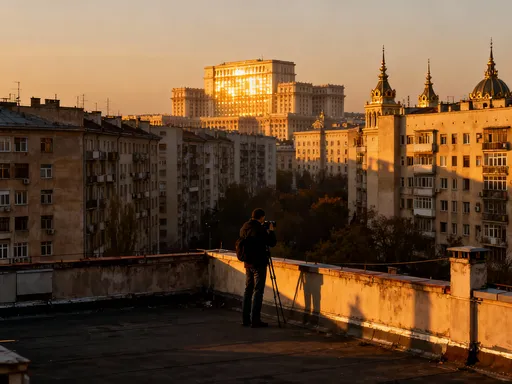
Art in Full Bloom: How The Hague’s Festivals Turn Streets into Canvases
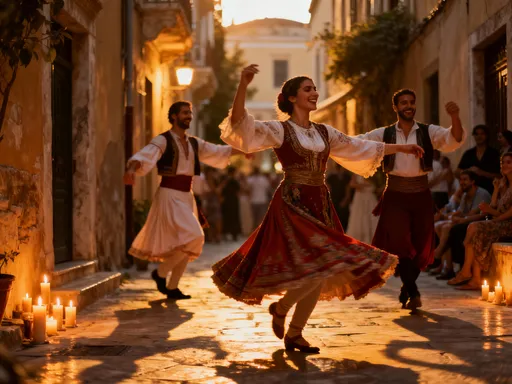
You know that feeling when a city just gets art? That’s The Hague during festival season. It’s not just galleries and museums—though those are stunning too. Here, creativity spills onto cobbled streets, transforms public squares, and dances through coastal breezes. I never expected such a vibrant fusion of tradition and bold expression. This is more than culture—it’s alive, breathing color, rhythm, and soul into everyday life. Every spring, summer, and winter, The Hague reinvents itself through festivals that elevate art from passive observation to immersive experience. From illuminated facades to open-air performances, the city becomes a living canvas where residents and visitors alike walk through masterpieces in motion.
The Artistic Pulse of The Hague
The Hague has long stood as one of the Netherlands’ cultural cornerstones, its artistic legacy woven deeply into the fabric of daily life. Unlike cities where art is confined to elite institutions, here it is a shared language, spoken fluently in public plazas, tram stops, and seaside promenades. This accessibility stems from a rich historical foundation—The Hague was once home to masters like Johannes Vermeer and played host to Rembrandt’s early influences. Today, institutions such as the Mauritshuis and Kunstmuseum Den Haag continue that legacy, curating world-class collections while simultaneously engaging with contemporary expression. The Mauritshuis, for instance, not only safeguards Vermeer’s Girl with a Pearl Earring but regularly reinterprets classical works through modern lenses, bridging centuries of creative thought.
But the city’s true artistic pulse beats strongest beyond museum walls. Urban design in The Hague prioritizes aesthetic harmony and creative expression, with commissioned murals, sculptural installations, and thoughtfully integrated green spaces. In neighborhoods like Schilderswijk and Transvaal, once-overlooked districts have been revitalized through public art initiatives that empower local voices. These projects are not decorative afterthoughts—they are strategic investments in community identity and pride. City planners collaborate with artists to transform underused tunnels, bridge undersides, and vacant lots into vibrant storytelling spaces. This integration of art into infrastructure reflects a broader philosophy: creativity is not a luxury, but a necessity for a thriving, connected society.
What makes The Hague unique is how naturally art coexists with everyday routines. A mother walks her child to school past a mural depicting Dutch maritime history; office workers sip coffee beneath kinetic sculptures in the Central Library plaza; tourists pause on their way to the beach to photograph a temporary light installation. This seamless blending ensures that artistic engagement isn’t limited to special occasions—it’s a constant, enriching presence. The city’s festivals, then, are not isolated events but climactic expressions of an ongoing cultural dialogue, moments when the entire community collectively celebrates its creative soul.
Spring into Color: The North Sea Jazz Festival’s Creative Energy
Each July, the coastal town of Scheveningen, just a short tram ride from The Hague’s center, becomes a magnet for music lovers and art enthusiasts alike during the North Sea Jazz Festival. Though primarily celebrated for its legendary lineup of jazz, soul, and world music, the festival has evolved into a full-spectrum artistic experience. From the moment attendees step onto the festival grounds at the Ahoy complex, they are immersed in a visual feast—elaborate stage designs, bold fashion statements, and an electric atmosphere where music and visual art converge. Artists paint live on canvas between sets, pop-up galleries showcase local talent, and street performers turn walkways into impromptu theaters.
The festival’s creative energy radiates far beyond the main stages. Along the promenade and in nearby parks, art markets bloom with handmade jewelry, textiles, and prints, offering visitors a chance to take home more than just memories. Fashion becomes a form of expression, with attendees donning vibrant colors, handmade accessories, and avant-garde silhouettes that reflect the festival’s free-spirited ethos. It’s not uncommon to see a saxophonist performing beside a muralist capturing the scene in real time, their rhythms and brushstrokes moving in sync. This synergy between auditory and visual art transforms the event into a multi-sensory celebration, where every sense is engaged and every moment feels alive with possibility.
What’s particularly compelling is how North Sea Jazz fosters cross-cultural dialogue through creativity. International performers bring their own visual aesthetics—from Afro-Caribbean textiles to minimalist Scandinavian design—creating a global tapestry of style and expression. Meanwhile, Dutch designers and artists use the platform to experiment and gain exposure. The festival’s commitment to inclusivity means that emerging creators have space to shine alongside established names. For families, couples, and solo travelers, the experience is both exhilarating and grounding—a reminder that art, in all its forms, has the power to unite people across generations and backgrounds. In this way, North Sea Jazz is not just a music festival, but a living exhibition of cultural vibrancy.
Parks as Galleries: The Holland Festival’s Urban Canvas
Each June, The Hague becomes the epicenter of the Holland Festival, the Netherlands’ premier international celebration of performing and visual arts. Unlike traditional festivals confined to theaters and concert halls, the Holland Festival embraces the city itself as its stage. Parks, plazas, and even parking garages are transformed into dynamic venues where opera, dance, theater, and visual installations unfold in unexpected ways. Westbroekpark, with its sweeping lawns and tranquil ponds, often serves as a central hub, hosting open-air performances illuminated by twilight and enhanced by projection mapping that turns trees and fountains into moving canvases.
One of the festival’s defining features is its commitment to accessibility. Many events are free to the public, ensuring that art is not reserved for those who can afford tickets. Families spread blankets on the grass, children chase bubbles between acts, and elderly couples sit on benches, absorbing performances that range from experimental dance to classical recitals. This democratization of culture reflects a core value: art belongs to everyone. Installations are designed to invite interaction—visitors might walk through a sound garden where their footsteps trigger melodies, or step inside a translucent dome filled with floating light sculptures. These experiences are not passive; they require participation, curiosity, and presence.
The festival also serves as a launchpad for innovative collaborations. Dutch choreographers work with digital artists to create augmented reality performances; composers blend traditional instruments with electronic soundscapes; playwrights address contemporary social themes through multilingual productions. The result is a program that feels both globally relevant and locally rooted. For visitors, the Holland Festival offers a rare opportunity to witness art in its most experimental and inclusive form. It’s not about perfection or polish—it’s about exploration, risk, and connection. By turning parks into galleries and streets into performance spaces, the festival redefines what a cultural event can be: not a spectacle to observe, but a world to step into.
Winter Light & Imagination: GLOW Eindhoven’s Influence on The Hague’s Illuminations
Though the renowned GLOW Eindhoven festival takes place in a different city, its influence has undeniably shaped The Hague’s approach to winter lighting and urban art. Inspired by Eindhoven’s annual showcase of light art, The Hague has embraced illumination as a medium for storytelling and seasonal celebration. Each December, the city unveils a series of temporary light installations that transform familiar landmarks into enchanting nocturnal experiences. Along the Lange Voorhout, historic buildings are draped in cascading LEDs that pulse in rhythm with classical music; in the city center, interactive projections respond to pedestrian movement, turning sidewalks into playful, ever-changing compositions.
These illuminations are more than festive decorations—they are carefully curated artworks that reflect themes of hope, renewal, and connection. Artists from across the Netherlands and Europe are invited to submit proposals, resulting in a diverse array of styles and techniques. Some installations use shadow play to tell folk tales; others employ fiber optics to mimic the northern lights; a few incorporate recycled materials to highlight environmental awareness. The temporary nature of the displays adds to their magic, encouraging residents and visitors to explore the city at night, rediscovering familiar streets through a new lens.
The success of these winter events has led to the development of a dedicated light art trail, guiding people through key installations with maps and audio commentary. Local businesses stay open late, cafes offer warm drinks at outdoor seating, and families bundle up for evening strolls that feel like walking through a dream. The atmosphere is one of quiet wonder, a gentle counterpoint to the commercial bustle of the holiday season. By adopting the spirit of GLOW Eindhoven while tailoring it to The Hague’s coastal elegance and historic charm, the city has created a winter tradition that is both visually stunning and emotionally resonant. It’s a reminder that even in the darkest months, creativity can bring warmth and light.
Local Talent Takes Center Stage: Paaspop and Urban Art Initiatives
While large-scale festivals draw international crowds, it is the smaller, community-driven events that often have the most lasting impact on The Hague’s artistic landscape. Paaspop, held annually around Easter in the nearby town of Schijndel but widely attended by Hague residents, exemplifies how music festivals can nurture local creativity. Though not based in the city itself, its influence radiates outward, inspiring similar grassroots initiatives within The Hague’s neighborhoods. Youth-led art collectives organize satellite events—pop-up galleries in vacant storefronts, mural painting sessions in community centers, and open mic nights in local cafes—creating a ripple effect of artistic engagement.
These efforts are supported by municipal programs that provide funding, materials, and mentorship to emerging artists. The City of The Hague’s Cultural Participation Fund, for instance, allocates resources to projects that increase access to the arts, particularly in underserved areas. One successful initiative transformed an abandoned parking lot in the Transvaal district into a rotating street art zone, where young painters experiment with scale, color, and social commentary. Another project invited residents to co-design a series of mosaic benches along a busy bus route, turning a mundane commute into a daily encounter with beauty.
What sets these urban art initiatives apart is their emphasis on collaboration and ownership. Rather than imposing art from the top down, the city works with neighborhood associations, schools, and cultural organizations to identify needs and co-create solutions. The result is artwork that feels authentic and meaningful—murals that depict local history, sculptures that honor community elders, installations that reflect shared values. For families, these projects offer intergenerational opportunities to create together, fostering pride and belonging. By elevating local talent and democratizing the creative process, The Hague ensures that its art scene remains vibrant, inclusive, and deeply rooted in the lives of its people.
Practical Magic: Navigating Art Festivals in The Hague
For travelers planning to experience The Hague’s festival scene, timing and preparation can make all the difference. The peak season for cultural events runs from late spring through early autumn, with the Holland Festival in June and North Sea Jazz in July drawing the largest crowds. Booking accommodations several months in advance is advisable, particularly if attending weekend events. The city offers a range of lodging options, from boutique hotels near the museum district to family-friendly apartments with kitchenettes, ideal for longer stays.
Getting around is easy thanks to The Hague’s efficient public transportation system. The tram network connects major attractions, beaches, and festival venues, with frequent service and clear signage in English. A day pass for trams and buses offers excellent value, especially for those planning to explore multiple locations. For a more immersive experience, renting bicycles is highly recommended—the city is flat, bike-friendly, and filled with scenic routes that link parks, museums, and coastal paths. Many visitors combine cultural outings with leisurely beach days in Scheveningen, where golden sands and fresh seafood restaurants provide a perfect balance to urban exploration.
Tickets for major festivals can be purchased online through official websites, where schedules and artist lineups are regularly updated. Some events offer early-bird discounts or family packages, making them more accessible. For those seeking quieter experiences, weekday visits or off-peak hours often provide a more relaxed pace. Guided walking tours led by local art historians offer deeper insights into public installations and hidden gems. Additionally, many museums participate in the Museumkaart (Museum Card) program, allowing unlimited entry for a set period—ideal for art lovers wanting to explore at their own pace. With a little planning, a trip to The Hague can be both enriching and effortless, blending cultural discovery with everyday comfort.
Why Art Festivals Matter: Culture, Connection, and Renewal
Beyond the music, lights, and vibrant streetscapes, The Hague’s art festivals serve a deeper purpose—they strengthen the bonds that hold communities together. In an age of digital isolation and fast-paced living, these gatherings offer a rare opportunity to pause, connect, and feel part of something larger. They remind us that culture is not a static relic, but a living, evolving force that shapes how we see ourselves and the world around us. For families, festivals provide shared experiences that create lasting memories—children marveling at light shows, grandparents sharing stories beside murals, friends laughing over street food at open-air markets.
Art festivals also play a vital role in urban renewal. By activating underused spaces and drawing visitors to diverse neighborhoods, they stimulate local economies and foster civic pride. A once-neglected park becomes a stage; a quiet street becomes a gallery; a community gains visibility and voice. These transformations are not temporary—they leave lasting legacies in the form of permanent installations, stronger social networks, and increased investment in cultural infrastructure. Moreover, the inclusive nature of The Hague’s festivals ensures that everyone, regardless of background or income, can participate and belong.
Ultimately, The Hague’s celebration of art is a testament to the power of creativity to uplift, inspire, and renew. It invites visitors not just to observe, but to engage—to walk through light, dance in parks, and see familiar streets with fresh eyes. More than a destination, the city becomes a living gallery, where every season brings new expressions of beauty and meaning. For women who value connection, beauty, and thoughtful experiences, The Hague offers a journey that nourishes the spirit and rekindles wonder. It is a place where art isn’t kept behind glass—but lives, breathes, and blooms all around you.