You Won’t Believe What I Found at Marseille’s Hidden Markets
Marseille isn’t just about sun-drenched harbors and sea views—it’s a cultural mosaic where every market tells a story. Wandering through its bustling shopping lanes, I discovered how local life pulses through vibrant souks, artisan stalls, and age-old bazaars. These spaces aren’t just for buying; they’re where tradition meets everyday life. If you think shopping here is just souvenirs and sunscreen, think again—this city sells soul. With roots stretching across the Mediterranean, Marseille’s markets reflect centuries of exchange, migration, and resilience. They are not merely places of commerce but living expressions of identity, community, and continuity. To walk through them is to witness the heartbeat of a city that has always lived out loud, in color, scent, and sound.
The Heartbeat of Marseille: Shopping as Cultural Expression
Shopping in Marseille transcends the simple act of purchasing goods—it is a deeply embedded social ritual, a reflection of the city’s layered history and multicultural soul. As France’s oldest city, Marseille has spent over 2,600 years as a crossroads between Europe, North Africa, and the Middle East. This legacy lives on in its markets, where the hum of conversation blends French with Arabic, Berber, Italian, and Armenian. Each vendor’s stall becomes a microcosm of this fusion, offering more than products: they offer stories, traditions, and connections passed down through generations.
Commerce here has long been a bridge between communities. Historically, Marseille’s port attracted traders from Algiers, Tunis, and Beirut, who brought with them spices, textiles, and culinary customs that gradually wove themselves into the city’s fabric. Today, that spirit endures. In neighborhood markets, you’ll find women in hijabs bargaining with elderly Provençal grandmothers over bundles of fresh herbs, while children dart between crates of figs and feta cheese. These interactions are not incidental—they are the quiet, daily affirmations of a society built on exchange, respect, and shared space.
What makes Marseille’s markets truly unique is their rhythm. Unlike the sterile efficiency of supermarkets or the polished predictability of shopping malls, these markets move to the tempo of human life. Vendors know their regulars by name. They hand over an extra sprig of thyme “for the soup” or save a loaf of sesame-dusted bread for Madame Dupont because “she prefers it warm.” Transactions are slow, personal, and often accompanied by laughter or a shared complaint about the weather. This relational economy—where trust matters as much as price—reveals a deeper truth: in Marseille, shopping is not just about what you buy, but who you become through the experience.
Cours Julien: Where Street Culture Meets Local Craft
Nestled in the 6th arrondissement, Cours Julien stands apart as a neighborhood that pulses with creative energy and unapologetic individuality. Once an overlooked urban corner, it has transformed into one of Marseille’s most vibrant cultural hubs, where street art, independent music, and grassroots entrepreneurship thrive. The market scene here is less about formal stalls and more about spontaneous expression—pop-up shops in repurposed garages, handmade jewelry displayed on repurposed wooden palettes, and clothing lines born from recycled fabrics and bold imagination.
The atmosphere is electric. Graffiti covers nearly every surface, from towering murals depicting mythological sea creatures to witty political slogans painted in vibrant spray. Sidewalk cafés spill onto the pavement, where young artists sip espresso and sketch ideas on napkins. On weekends, the square becomes a stage for live music, poetry readings, and impromptu dance performances. Amid this creative chaos, shopping feels like discovery—an act of exploration rather than consumption. You might stumble upon a tiny boutique selling hand-stitched leather bags made by a local designer, or a vinyl stall run by a DJ who curates rare French disco records from the 1970s.
What sets Cours Julien apart is its rejection of mass-market homogeneity. There are no chain stores, no generic souvenirs, no plastic trinkets stamped with “I Love Marseille.” Instead, every item tells a story of origin, intention, and craftsmanship. A ceramicist might explain how she uses local clay to create bowls inspired by ancient Greek pottery, while a tailor repurposes vintage military uniforms into modern jackets. This emphasis on authenticity resonates deeply with visitors seeking meaningful experiences over material accumulation. For the discerning shopper—particularly those who value sustainability and originality—Cours Julien offers a refreshing alternative to conventional retail.
Noailles Market: A Sensory Journey Through Time
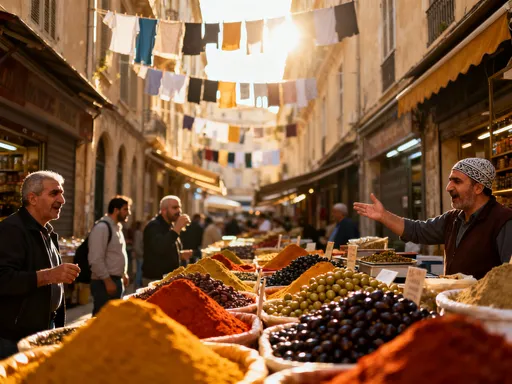
Just a short walk from the Vieux-Port, the Noailles neighborhood hosts one of Marseille’s oldest and most dynamic markets. From dawn until mid-afternoon, the narrow streets of Rue du Marché and Rue Sainte-Thérèse come alive with a symphony of sights, scents, and sounds. This is not a tourist-facing market dressed for postcard appeal; this is where Marseillais come to shop, cook, and connect. It is raw, real, and rich with the flavors of everyday life.
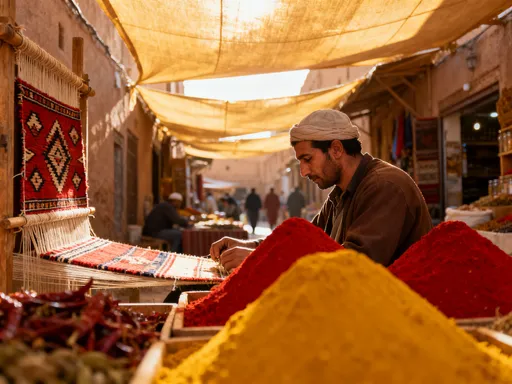
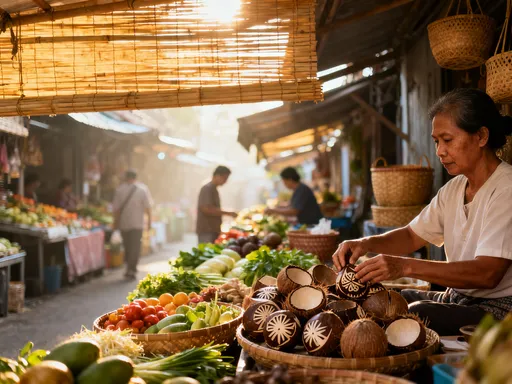
The air is thick with the aroma of cumin, saffron, and freshly ground coffee. Crates overflow with sun-ripened tomatoes, glossy eggplants, and bunches of wild parsley. Vendors call out in rapid French and Maghrebi Arabic, offering discounts on bundles of mint or kilos of semolina flour. Stalls brim with North African specialties: harissa paste in clay jars, couscous steamed in towering couscoussiers, and olives marinated in lemon and thyme. Handwoven baskets, embroidered linens, and colorful babouches (leather slippers) spill from fabric-covered tables, each item a testament to ancestral craftsmanship.
Noailles Market is more than a place to buy groceries—it is a living archive of immigrant heritage. For decades, families from Algeria, Morocco, and Tunisia have called this neighborhood home, bringing with them culinary traditions and artisanal skills that now define its character. The market serves as both economic lifeline and cultural sanctuary, where elders teach grandchildren how to select the perfect artichoke and where young entrepreneurs launch small food businesses from family recipes. To shop here is to participate in a centuries-old tradition of resilience and adaptation, where food is not just sustenance but memory, identity, and love.
La Plaine Saturday Market: More Than Just a Flea Market
Every Saturday morning, the Place Jean-Jaurès in the 3rd arrondissement undergoes a remarkable transformation. By sunrise, trucks roll in, tents rise, and hundreds of vendors set up stalls across the open square. What begins as an empty urban plaza becomes one of the largest and most eclectic markets in southern France—La Plaine Marché. Known locally as “le marché des puces” (the flea market), it attracts tens of thousands of visitors each week, drawn by the promise of treasure, variety, and community.
The scale is staggering. Over 1,200 vendors stretch across nearly a kilometer, offering everything from vintage furniture and antique books to organic honey and handmade soaps. You can find a 1960s record player next to a basket of free-range eggs, or a hand-knitted wool scarf beside a stack of old postcards from Provence. The mix is chaotic, unpredictable, and utterly captivating. Unlike curated boutiques or themed craft fairs, La Plaine embraces randomness—the joy of stumbling upon something you never knew you needed.
For many locals, this market is a weekly ritual. Families arrive early with reusable shopping bags and strollers, moving from stall to stall with purpose and pleasure. Bargaining is common but respectful; a smile and polite conversation often go further than aggressive haggling. Vendors appreciate customers who take time to learn about their products, whether it’s the origin of a hand-carved olive wood spoon or the story behind a stack of secondhand leather boots. This mutual respect fosters a sense of belonging, turning commerce into connection.
La Plaine also plays a vital role in strengthening neighborhood bonds. It provides a platform for small entrepreneurs, retirees supplementing their income, and artisans testing new ideas. A young woman might sell her grandmother’s lavender-infused sugar scrub, while a retired carpenter offers restored garden benches. The market becomes a stage for intergenerational exchange, where skills, stories, and values are passed on in the simplest of transactions. For visitors, it offers a rare glimpse into authentic Marseillais life—one that exists beyond postcards and guidebooks.
Old Port Stalls: Tourism and Tradition in Balance
Along the shimmering edge of the Vieux-Port, a row of small stalls lines the promenade, drawing tourists with promises of local flavor. Here, vendors sell saffron, tapenade, jars of honey, and the famous Savon de Marseille. Brightly colored soaps stacked in pyramids catch the sunlight, while baskets of dried herbs tempt passersby with their earthy fragrance. At first glance, this scene appears commercialized—a curated version of Provençal life designed for souvenir hunters.
Yet beneath the surface, authenticity persists. Among the more generic offerings, a handful of long-standing vendors continue to uphold family traditions. Some are third-generation artisans who still make soap using cold-process methods and natural vegetable oils. Others source olives directly from small farms in Bouches-du-Rhône, pressing them into rich, peppery tapenade without preservatives or artificial flavors. These sellers take pride in their craft, often sharing its history with curious customers: how Marseille soap was once used in hospitals for its purity, or how saffron threads must be hand-picked at dawn to preserve their potency.
The challenge for visitors is discernment. Not all products are created equal. Mass-produced imitations—often imported from outside France—lack the depth and integrity of true local goods. A key tip is to look for labels indicating “fabrication artisanale” or “produit de Provence.” Engaging with vendors can also reveal authenticity; those passionate about their work will gladly explain their process, ingredients, and origins. By choosing thoughtfully, tourists do more than acquire souvenirs—they support sustainable practices and help preserve cultural heritage.
The Vieux-Port stalls represent a delicate balance between accessibility and integrity. While they cater to a broad audience, they also serve as ambassadors of Marseille’s artisanal legacy. When approached with curiosity and respect, shopping here becomes an act of cultural appreciation rather than mere consumption. It reminds us that even in highly visible tourist spaces, tradition can endure—if we know where to look.
Artisan Workshops: Behind the Scenes of Marseille’s Makers
To truly understand Marseille’s craft culture, one must go beyond the market stalls and step into the workshops where artisans transform raw materials into works of beauty and function. Across the city, from the historic Panier district to the quieter streets of Saint-Giniez, small studios open their doors to the public, offering hands-on experiences that deepen appreciation for local craftsmanship.
One of the most iconic traditions is the making of Savon de Marseille. In a sunlit workshop near the port, a master soap-maker demonstrates the centuries-old process: blending olive oil, seawater, and soda ash, then cooking the mixture in large copper vats for several days. The resulting paste is pressed into molds, stamped with the soap’s weight, and left to cure for four to six weeks. Visitors can try their hand at cutting bars or scenting batches with lavender or rosemary. These workshops do more than teach a skill—they connect people to a legacy of purity, sustainability, and regional pride.
Similarly, ceramic studios in the Old Town showcase the art of hand-painted tiles, known as “carreaux de ciment.” Using techniques passed down since the 19th century, artisans mix pigments by hand, pour them into intricate molds, and press layers of cement to create durable, decorative tiles. Each piece reflects Mediterranean aesthetics—waves, sunbursts, and geometric patterns in cobalt blue, terracotta, and ochre. Tourists can design their own mini tile, choosing colors and motifs that speak to them personally. The experience is meditative, grounding, and deeply satisfying.
Textile artists also play a vital role. In a tucked-away atelier, a fourth-generation weaver operates a wooden loom, creating scarves and table runners from locally spun cotton and wool. She explains how natural dyes from pomegranate peels, walnut shells, and indigo plants produce soft, earthy tones that evolve with time and use. These workshops are not performances; they are working spaces where art and livelihood intersect. By visiting and purchasing directly, travelers contribute to the survival of these crafts, ensuring they are not lost to industrialization or indifference.
How to Shop Like a Local: Practical Tips for a Meaningful Experience
To fully embrace Marseille’s market culture, a shift in mindset is required. This is not a city for hurried shopping or transactional tourism. The rewards come to those who slow down, observe, and engage with intention. A few practical tips can transform a casual visit into a rich, authentic experience.
First, timing matters. Markets are at their best in the early morning, between 7:00 and 9:30 a.m., when produce is freshest, crowds are thinner, and vendors are most welcoming. Arriving early also allows space to chat, ask questions, and watch the rhythm of setup and opening rituals. By midday, popular stalls may be depleted, and the pace becomes more rushed.
Bring reusable bags. Marseille has made significant strides in reducing plastic waste, and most vendors appreciate customers who come prepared. A sturdy canvas tote or mesh produce bag not only reduces environmental impact but also signals respect for local values. Many artisans take pride in sustainability, and eco-conscious shoppers are warmly received.
Engage respectfully. A simple “Bonjour” before asking a question goes a long way. In markets like Noailles or Cours Julien, vendors often speak multiple languages, but responding in basic French—even if imperfect—builds rapport. Ask about ingredients, techniques, or family recipes. Most artisans love to share their knowledge, and these conversations often lead to unexpected discoveries: a hidden stall, a seasonal specialty, or an invitation to a weekend workshop.
Prioritize neighborhoods based on interest. For food and culture, Noailles and La Plaine are essential. For art and fashion, Cours Julien and the Panier district offer unique finds. For tradition and history, the Vieux-Port and artisan workshops provide depth. And always allow time to simply wander—some of the best discoveries happen off the main paths, in quiet alleys where a grandmother sells homemade jam from her kitchen window.
Finally, shop with purpose. Choose items that reflect craftsmanship, story, and sustainability. A hand-thrown bowl, a jar of small-batch honey, or a piece of embroidered linen carries more meaning than any mass-produced souvenir. These objects become heirlooms, not clutter—tokens of connection rather than consumption.
Shopping in Marseille isn’t about collecting things—it’s about connecting with people, history, and place. Each purchase carries a story, each market a memory waiting to form. When you buy local, you don’t just take something home—you become part of the story. Next time you wander its streets, remember: the real treasure isn’t what you carry out in a bag, but what stays with you in your heart.