Pompeii After Dark: Where Ancient Stones Come Alive with Festival Magic
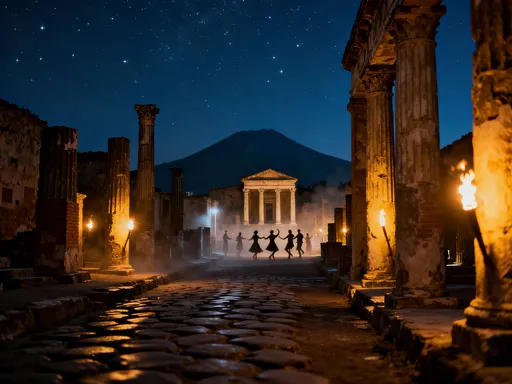
Walking through Pompeii, you’d think it’s all about ruins and history—trust me, I did. But when I stumbled upon a summer festival beneath the shadow of Mount Vesuvius, torchlight dancing on 2,000-year-old columns, I realized this place breathes culture in ways no textbook mentions. Locals singing, drums echoing through ancient streets—this isn’t just a site. It’s a living stage. And if you want to feel the heartbeat of Pompeii, you’ve got to experience it during its vibrant festivals. Let me show you how.
Beyond the Ruins: Rediscovering Pompeii Through Celebration
Pompeii is often seen as a silent city frozen in ash, preserved under volcanic debris since 79 AD. Yet for those who visit during the warmer months, particularly from late spring through early autumn, the ancient streets come alive with color, sound, and community. Seasonal festivals transform the archaeological park into something far more dynamic than a museum piece—they turn it into a stage where past and present meet in celebration. The most renowned of these events is the Spettacoli al Tempio di Venere, a summer series of theatrical performances and musical concerts held within the sacred precincts of the Temple of Venus and other restored venues like the Odeon and the Large Theatre.
These events are not mere entertainment; they represent a conscious effort by local cultural institutions and Italy’s Ministry of Culture to revitalize Pompeii as a living space. By hosting performances in original Roman settings, organizers invite audiences to engage with history not as distant observers but as participants in an ongoing cultural dialogue. Imagine hearing the first notes of a string quartet resonate through the same open-air theatre where citizens once gathered for political speeches or comedic plays. The stones seem to remember. The air hums with memory. This is not reenactment—it’s resonance.
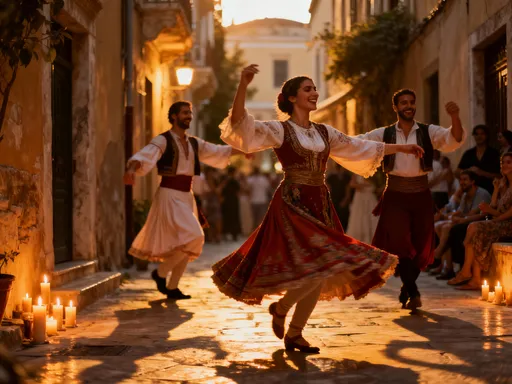
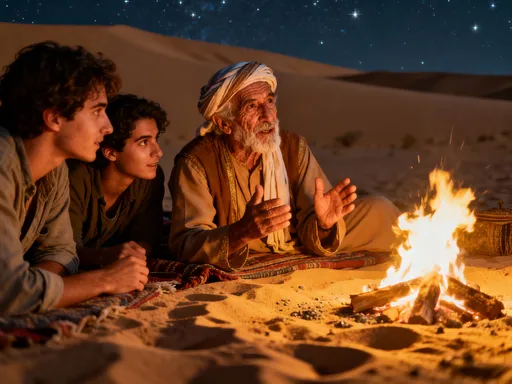
What makes these festivals so powerful is their sensory richness. As daylight fades, lanterns and subtle lighting illuminate the stone pathways, casting long shadows across colonnades and mosaics. The scent of wood smoke and grilled vegetables drifts from nearby food stalls, blending with the faint mineral smell of ancient tuff stone. Children laugh near the Forum, their voices echoing between temples dedicated to Jupiter and Apollo. A local choir begins to sing—a blend of Neapolitan folk melodies and classical arrangements—its harmonies bouncing off thousand-year-old walls. In moments like these, Pompeii stops being a relic and becomes a home again, even if only for one night.
This cultural revival is intentional and carefully managed. The Archaeological Park of Pompeii collaborates with regional arts councils to ensure that every event respects the integrity of the site. Performances are selected not just for popularity but for thematic relevance—Greek tragedies, Roman-inspired compositions, and works that reflect the Mediterranean spirit. The goal is not to commercialize history but to deepen public connection to it. For visitors, especially women between 30 and 55 who value meaningful travel experiences, this blend of authenticity and artistry offers a rare opportunity: to witness history not as a static exhibit, but as a breathing, evolving tradition.
Timing Your Visit: When Festivals Bring Pompeii to Life
If you're planning to experience Pompeii beyond the standard daytime tour, timing is everything. While the ruins are open year-round, the festival season is concentrated between June and September, with select events extending into October depending on weather and programming. The peak period aligns with Italy’s summer cultural calendar, when cities across Campania host outdoor performances, religious celebrations, and historical commemorations. For travelers, this means researching ahead—not only to catch a performance but also to avoid disappointment due to limited availability or unexpected closures.
The official website of the Archaeological Park of Pompeii is the most reliable source for up-to-date information. It lists scheduled events, including ticket prices, start times, and accessibility details. Most evening performances require a special festival ticket, which often includes both entry to the site after regular hours and admission to the show. These tickets tend to sell out quickly, especially for high-profile productions such as Sophocles’ Oedipus Rex performed in the Large Theatre. Booking several weeks in advance is strongly advised, particularly during July and August when tourism reaches its highest levels.
In addition to the main performance series, smaller community festivals—known locally as sagre—take place in the modern town of Pompei (note the spelling difference: “Pompei” refers to the contemporary city adjacent to the ruins). These are typically tied to religious feast days, such as the Feast of the Madonna del Rosario in early October or the Festa di San Gennaro in September. Though less formal than the archaeological park’s offerings, these gatherings offer intimate glimpses into local life, complete with street processions, live music, and traditional food stands.
Visitors should also be aware of logistical considerations. Evening access to the ruins is restricted to designated areas during events, and general site entry closes around 7:00 PM on non-event days. On performance nights, gates remain open until 90 minutes before showtime, and security checks are more rigorous. Public transportation remains available via the Circumvesuviana regional train line, with the “Pompei Scavi” station located just steps from the main entrance. Trains run less frequently after 9:00 PM, so planning your return trip is essential—especially if you're traveling with family or prefer not to rely on taxis.
One useful tip: combine your festival visit with a weekday morning tour of the site. This allows you to explore the full breadth of Pompeii—the villas, baths, bakeries, and frescoed homes—without the evening crowds. Then, return at night with fresh eyes and a deeper appreciation for the spaces now hosting music and drama. This dual experience enhances understanding and emotional connection, making the festival feel less like an add-on and more like a culmination.
The Heartbeat of the City: Music, Theater, and Ancient Echoes
There is something profoundly moving about watching a live performance in a space designed for spectacle nearly two millennia ago. The acoustics of Pompeii’s ancient theatres—engineered without microphones or amplifiers—still carry sound with astonishing clarity. A whisper on stage can ripple through the stone seating; a single violin note lingers in the warm summer air. Modern performers often speak of a unique energy in these venues—an almost sacred atmosphere that demands reverence and focus. For audiences, the result is an unparalleled emotional experience, where art and archaeology converge in real time.
Theatre productions at Pompeii often draw from classical repertoires, particularly Greek tragedies adapted into Italian or performed in translation. Plays like Antigone, Medea, and The Bacchae resonate deeply in this context, their themes of fate, divine wrath, and human suffering echoing the city’s own catastrophic end. Seeing Medea unfold under a starlit sky, with Mount Vesuvius visible in the distance, adds layers of meaning that no modern stage could replicate. The volcano looms not as a backdrop but as a silent character in the drama—a reminder of nature’s power and the fragility of civilization.
Classical concerts, too, take on new dimensions in this setting. Orchestras and chamber ensembles perform works by Vivaldi, Pergolesi, and contemporary composers inspired by antiquity. Some programs are specifically curated to reflect Roman aesthetics—using period instruments or incorporating ancient scales reconstructed from archaeological findings. One recent performance featured a recreation of music believed to have been played during imperial banquets, based on inscriptions and surviving notation fragments. The effect was hauntingly beautiful, a sonic bridge across centuries.
Artists who perform in Pompeii often describe a sense of responsibility. They are not just putting on a show—they are stewarding a legacy. Interviews published by the archaeological park highlight performers’ commitment to minimizing environmental impact, avoiding invasive lighting, and rehearsing with sensitivity to the site’s historical value. Costumes are designed to reflect ancient styles without parody, and scripts are adapted to honor both dramatic integrity and cultural context. This level of care ensures that each performance enhances rather than detracts from the site’s dignity.
For visitors, attending one of these shows is more than entertainment—it’s participation in a ritual of remembrance and renewal. You are not merely watching history; you are helping keep it alive. The applause at the end does not break the spell—it completes it. In that moment, the audience becomes part of the continuum, linking today’s creativity with ancient tradition.
Local Flavor: Food, Craft, and Community Spirit at Street Festivals
While the official performances in the archaeological park draw international attention, the soul of Pompeii’s festival culture truly shines in the smaller, neighborhood-based events that unfold in the surrounding streets. These local sagre—community food festivals—are vibrant expressions of Campanian identity, where families gather, generations connect, and culinary traditions are passed down with pride. Unlike tourist-oriented markets, these gatherings are primarily for residents, though visitors are warmly welcomed when they approach with respect and curiosity.
One of the most beloved traditions is the Sagra della Zeppola, a festival celebrating the fluffy, fried dough pastry often filled with ricotta or lemon zest. Held in the piazzas near the modern Basilica of Santa Maria del Carmine, the event features food stalls, live brass bands, and children’s games. The scent of frying dough fills the air, mingling with the aroma of roasted chestnuts and spiced wine. Vendors serve generous portions on paper plates, encouraging people to eat while strolling or sitting on stone benches beneath string lights.
Other seasonal festivals highlight regional specialties such as melanzane alla parmigiana (eggplant parmesan), fresh figs from local orchards, and honey harvested from Vesuvius’s slopes. Many dishes have roots tracing back to Roman times—simple, ingredient-driven preparations that reflect the agricultural abundance of the Bay of Naples. Even the wines served—like Lacryma Christi, a white wine grown on volcanic soil—carry names and stories from antiquity. Participating in these meals is a way of tasting history, one bite at a time.
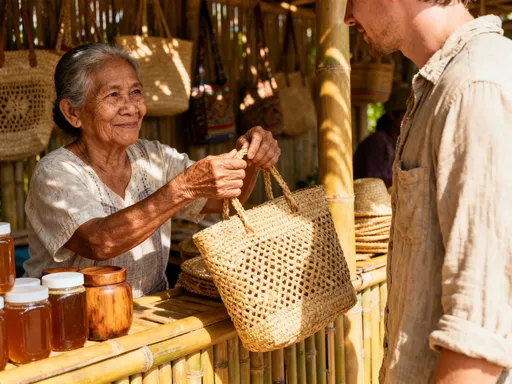
Craftsmanship also plays a central role. Local artisans display handmade ceramics inspired by Pompeian frescoes, woven baskets, and jewelry replicating ancient Roman designs. Some vendors sell replicas of artifacts found during excavations—carefully licensed reproductions that support heritage education. Children parade in costumes during religious processions, carrying banners and statues of saints through decorated streets. The rhythm of life here feels both timeless and immediate.
For travelers seeking authenticity, these moments offer the richest rewards. Instead of following a guidebook itinerary, wander into a side street where music spills from an open square. Ask a vendor what they’re cooking. Smile at a grandmother watching her grandchildren dance. These small interactions build connections that last far longer than any photograph. And they remind us that Pompeii is not just a place of the dead—it is a living community honoring its ancestors through joy, food, and song.
Navigating the Experience: Tickets, Transport, and Night Access
Attending a festival in Pompeii requires more planning than a typical city concert or theatre outing. The site is an active archaeological zone, and all evening events are subject to strict regulations designed to protect the ruins and ensure visitor safety. Understanding the logistics ahead of time can make the difference between a seamless experience and a missed opportunity.
Tickets for festival performances are usually available online through the official Pompeii Archaeological Park website or authorized vendors. Prices vary depending on the event, but a standard evening performance ticket ranges from €15 to €30, with premium seating or special packages costing more. Some events offer combo tickets that include a guided daytime tour plus evening access—ideal for first-time visitors who want both historical context and cultural immersion. It’s important to note that regular day tickets do not grant access to night events; separate reservations are required.
Transportation to Pompeii is straightforward but requires attention to timing. The Circumvesuviana train line connects Naples, Sorrento, and other popular destinations to the “Pompei Scavi” station. Trains run approximately every 30 minutes during the day, but service diminishes after 8:00 PM. The last train back to Naples typically departs around 10:30 PM, though schedules may vary on weekends or holidays. Travelers should check timetables in advance and consider allowing extra time for boarding, especially if returning with children or in large groups.
Taxis are available near the station but can be limited late at night. Ride-sharing services are not widely used in this region, so pre-arranging a return car through your hotel is a wise option for families or those uncomfortable with night travel. Parking at the site is extremely limited during events, and private vehicles are not recommended unless you have reserved accessible parking for medical reasons.
Upon arrival, all visitors pass through a security screening similar to airport procedures. Large bags, glass containers, and professional photography equipment are restricted. Lighting within the site is minimal to preserve the ambiance and protect the ruins, so wearing sturdy, closed-toe shoes with good grip is essential—many paths are uneven or covered in fine volcanic gravel. Flashlights or headlamps are discouraged unless medically necessary; most attendees rely on path lighting and ambient glow from lanterns.
For those who want deeper insight, guided tours that include both historical commentary and festival access are available through licensed operators. These often begin in the late afternoon and provide context about the performance’s historical setting, enhancing appreciation for the evening’s artistry. Some tours even include visits to lesser-known areas of the site, such as the Palestra or the House of the Faun, before the show begins.
Maximizing the Moment: Blending History and Celebration
The most rewarding way to experience Pompeii’s festival season is to embrace a full-day rhythm—starting with quiet exploration and culminating in evening celebration. Begin your visit early in the morning, ideally arriving when the site opens at 8:30 or 9:00 AM. The air is cooler, the light is soft, and the crowds are thinner, allowing for contemplative walks through the Forum, the Public Baths, and the Villa of the Mysteries. Take time to study the intricate mosaics, read the ancient graffiti, and imagine daily life before the eruption.
By midday, retreat to the modern town of Pompei for lunch. Family-run trattorias serve simple, flavorful dishes—pasta with San Marzano tomatoes, fresh mozzarella di bufala, and local olives. One popular spot near Piazza Esedra offers shaded outdoor seating and a menu rooted in Campanian home cooking. After eating, browse nearby shops for souvenirs or rest in the quiet courtyard of the Sanctuary of the Virgin of the Rosary, a peaceful counterpoint to the morning’s intensity.
In the late afternoon, return to the archaeological park for your performance. If you’ve booked a guided tour, meet your guide at the designated point; otherwise, arrive at least 45 minutes before showtime to navigate security and find your seat. Choose a central location for optimal acoustics, but consider sitting slightly higher in the theatre for a panoramic view of both stage and surroundings. As darkness falls and the first notes begin, let yourself be carried by the moment—the convergence of history, art, and human connection.
After the performance, linger if possible. Walk slowly through the illuminated paths, pausing at the Temple of Apollo or the House of the Vettii. The site feels different at night—more intimate, more reflective. If time allows, extend your experience into a weekend by visiting nearby Herculaneum, where similar festivals occur on a smaller scale, or take a short trip to Mount Vesuvius itself for a sunrise hike. These additions create a layered journey, connecting natural history with cultural memory.
Photography is permitted during performances, but flash and tripods are prohibited out of respect for performers and fellow guests. Instead, focus on absorbing the atmosphere—the warmth of the night air, the hush before a dramatic monologue, the shared silence after a final chord. These are the memories that endure.
Why This Changes Everything: A Living Heritage Worth Protecting
Experiencing Pompeii during its festival season does more than entertain—it transforms understanding. The city is no longer just a collection of ruins frozen in time; it becomes a testament to resilience, continuity, and the enduring power of culture. These celebrations remind us that heritage is not something to be locked behind glass—it is meant to be lived, shared, and renewed with each generation.
The festivals at Pompeii represent a model of responsible cultural stewardship. They generate revenue for preservation efforts, engage local communities, and offer visitors a deeper, more respectful way to connect with the past. When we clap for a performance in the ancient theatre, we are not just applauding actors—we are honoring the thousands who once filled those same seats, laughing, weeping, and debating the great questions of life.
For women who travel not just to see but to feel—to understand and be changed—Pompeii after dark offers a rare gift. It invites you to step beyond the role of observer and become part of a living story. The stones may be old, but the spirit is young. The music may fade, but its echo remains.
As tourism continues to grow, the challenge will be to protect this balance—between access and preservation, celebration and reverence. Every visitor has a role to play: by buying official tickets, respecting site rules, supporting local vendors, and approaching the experience with humility. In doing so, we help ensure that Pompeii doesn’t merely survive as a monument—but thrives as a living heart of culture, beating strong beneath the Italian sun.
So when you plan your next journey to southern Italy, don’t just visit Pompeii. Return to it when the torches light, when the music rises, and when the ancient stones come alive. Because history isn’t always silent. Sometimes, it sings.