Secret Markets & Local Finds: My Hidden Shopping Adventure in Koh Samui
You know that thrill of finding something no tourist has touched? In Koh Samui, it’s not just beaches—it’s the tucked-away markets, quiet stalls, and family-run shops where the real magic happens. I stumbled upon places with handmade treasures, zero crowds, and prices that made me smile. This is shopping like a local, raw and real. Let me take you where the guidebooks don’t. These are the corners of the island where life unfolds in full color, where commerce is personal, and where every purchase carries a quiet story. For travelers seeking authenticity, these hidden retail experiences offer a deeper connection to Thai culture, one woven basket, hand-cut fabric, and bartered coconut carving at a time.
The Myth of Tourist Shopping in Koh Samui
Koh Samui is often celebrated for its powdery beaches, luxury resorts, and vibrant nightlife, but its shopping scene tells a more complicated story. Most visitors gravitate toward Fisherman’s Village, Chaweng Walking Street, or the Central Festival Samui mall—places designed with tourists in mind. These spots offer convenience and predictable experiences: rows of sarongs, mass-produced carvings, and identical silver jewelry. While not without charm, they represent a filtered version of Thai retail life. The prices are often marked up, the goods imported from mainland factories, and the interactions transactional rather than personal.
What many travelers miss is that authentic shopping in Koh Samui isn’t found in neon-lit markets or air-conditioned malls. It happens in the early morning light, in residential neighborhoods, under makeshift tarps and banana-leaf awnings. It’s where Thai families buy fresh produce, hand-stitched linens, and custom-made household items. These spaces are not staged for cameras or curated for Instagram. They operate on trust, routine, and generational knowledge. To experience them is to step beyond the tourist facade and into the rhythm of everyday island life.
The contrast between tourist-centric shopping and local retail culture is more than geographical—it’s philosophical. Tourist markets are built on volume and speed, aiming to move inventory quickly. Local markets, by contrast, prioritize relationship and quality. A vendor may remember your face after just one visit. They might offer you jasmine tea while you browse, or wrap your purchase in banana leaf instead of plastic. These gestures are small but meaningful, signaling a different kind of exchange—one rooted in community rather than consumption.
Recognizing this distinction is the first step toward a richer travel experience. It invites travelers to shift their mindset from passive buyers to engaged participants. Instead of asking, “What can I take from this place?” the question becomes, “How can I connect with it?” The answer lies in seeking out the unmarked paths, the quiet corners, and the places where commerce still feels human.
Morning at the Local Morning Markets
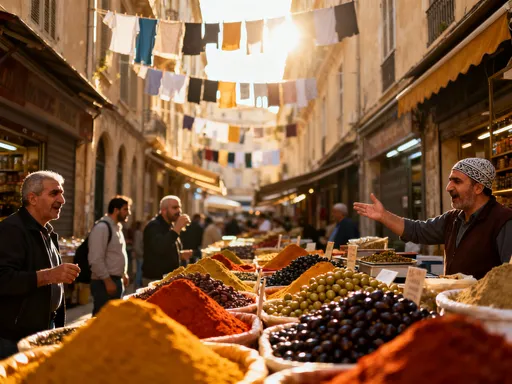
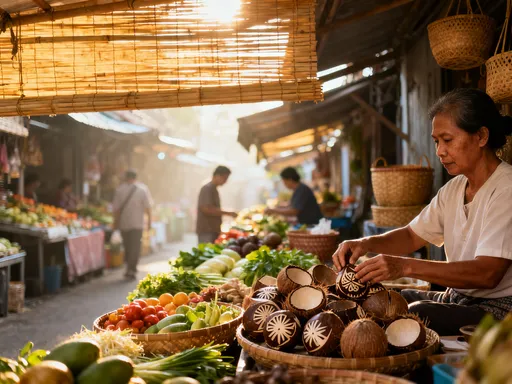
One of the most rewarding ways to experience authentic shopping in Koh Samui is by visiting the island’s morning markets. These are not the bustling night bazaars that draw crowds with fire shows and loud music, but quiet, functional gatherings that begin at dawn and wind down by mid-morning. In neighborhoods like Mae Nam, Bophut, and Lamai, local residents gather at open-air pavilions or roadside clearings to buy fresh ingredients, household goods, and handmade crafts. The air is thick with the scent of lemongrass, grilled fish, and ripe mangoes. Vendors call out prices in soft tones, and children weave through the aisles on bicycles.
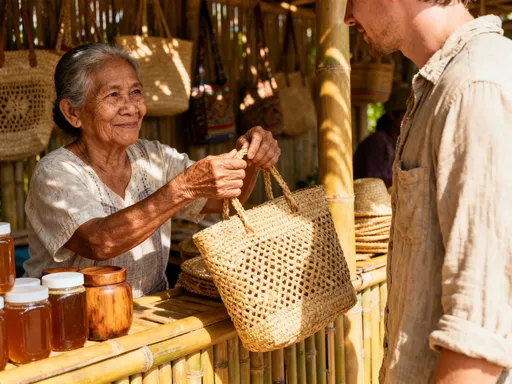
What makes these markets special is their dual role as both economic hubs and social spaces. A woman selling handwoven palm-leaf baskets may also be sharing news with her neighbors, offering advice on herbal remedies, or helping a young mother choose the right fabric for a baby wrap. These interactions are not incidental—they are central to the market’s function. For visitors, this means that shopping here is never just about the item; it’s about the context in which it’s made and sold.
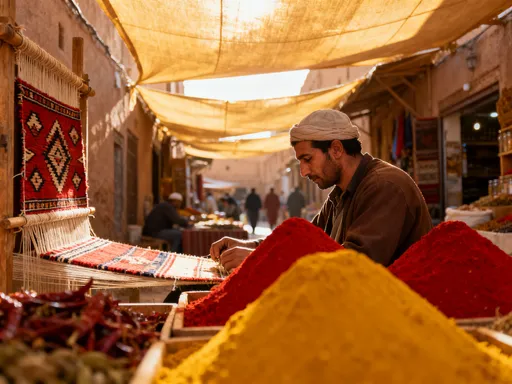
For the mindful traveler, the morning market offers an abundance of unique finds. Look for bundles of kaffir lime leaves tied with raffia, hand-stitched cotton tablecloths with floral embroidery, or wooden kitchen utensils carved from teak. Some vendors specialize in custom fabric cutting—bring a photo of a dress you like, and they’ll measure you on the spot and cut the material to size, often for a fraction of what it would cost in a boutique. Prices are fair and transparent, with little need for negotiation since these are not tourist-driven stalls.
To make the most of your visit, arrive early—between 6:30 and 8:00 a.m.—when the selection is freshest and the atmosphere most lively. Wear comfortable shoes, bring a reusable bag, and carry small bills. Engage with vendors respectfully: a simple "Sawasdee kha" (hello) goes a long way. Avoid taking intrusive photos; instead, ask permission with a smile and a gesture. These small courtesies help build trust and open doors to more meaningful interactions. By participating in the morning market rhythm, you’re not just observing local life—you’re briefly living it.
Backstreet Craft Stalls You’d Never Find on Google
Beyond the organized markets lie the true hidden gems: small, unmarked craft stalls tucked behind temples, schools, and family homes. These are not listed on maps, rarely appear on social media, and are often passed down through generations. Run by elders, women’s cooperatives, or retired artisans, these stalls represent a quiet form of cultural preservation. Here, you’ll find coconut shell bowls polished to a soft sheen, handmade soaps infused with turmeric and tamarind, and batik textiles dyed using natural pigments.
One such stall, located near a quiet temple in the hills above Nathon, is managed by a retired schoolteacher who spends her mornings carving intricate patterns into dried coconut husks. Each piece takes hours to complete and is sold for just a few hundred baht. She doesn’t advertise, doesn’t accept credit cards, and only speaks Thai—but her work speaks volumes. Her carvings are not souvenirs in the commercial sense; they are expressions of patience, tradition, and quiet pride.
Another example can be found in a shaded alley near a local primary school, where a group of women gather weekly to sell hand-rolled incense sticks, woven reed mats, and ceramic pots shaped on foot-powered wheels. These items are made using techniques passed down for decades, often learned from mothers and grandmothers. The women work collaboratively, sharing tools and materials, and rotating market days to ensure everyone gets a turn. Their prices reflect the cost of materials and time, not profit margins.
Supporting these artisans is one of the most ethical ways to shop in Koh Samui. When you buy from them, your money goes directly to the maker, sustaining not just an individual but a way of life. To shop responsibly, avoid treating these spaces as photo opportunities. Instead, approach with humility. If you don’t speak Thai, a warm smile and pointing to what you’d like to buy are often enough. Carry cash in small denominations, and don’t expect packaging—many items are wrapped in old newspaper or placed in woven bags made from recycled materials. These imperfections are part of their charm, a quiet resistance to the disposability of mass tourism.
The Art of Bargaining Like a Local (Not a Tourist)
Bargaining is a deeply embedded part of Thai market culture, but it’s often misunderstood by visitors. In tourist zones, haggling can feel aggressive—shoppers drive prices down to extremes, sometimes disrespecting the labor behind the goods. In authentic local markets, however, bargaining is more of a ritual than a contest. It’s a dance of politeness, eye contact, and mutual respect. Knowing how to negotiate in this context is not just practical—it’s a sign of cultural awareness.
The first rule of local-style bargaining is timing. In morning markets or community stalls, prices are often fixed because vendors are selling necessities or handmade items at cost. Bargaining here can be seen as inappropriate, even insulting. True negotiation comes into play in semi-formal settings—small shops near temples, weekend bazaars, or family-run stores on the outskirts of towns. In these places, a slight discount may be offered as a gesture of goodwill, especially if you’re buying multiple items or returning as a repeat customer.
When you do negotiate, start with a smile and a polite inquiry: "Mai pet arai?" (How much is this?). Listen to the initial price, then respond with a counteroffer that’s about 20–30% lower. The key is to remain calm and friendly. Avoid dramatic gestures, loud voices, or walking away in frustration. If the vendor shakes their head or laughs lightly, they may not be willing to go lower—and that’s okay. A graceful exit, with a simple "Khop khun kha" (thank you), preserves dignity on both sides.
Body language plays a crucial role. Thais value harmony and avoid confrontation, so aggressive haggling can damage trust. Instead, use soft tones, maintain relaxed posture, and watch for subtle cues. A slight nod, a pause before answering, or the offer of a drink may signal openness to negotiation. Remember, the goal is not to “win” the lowest price but to reach a fair agreement that respects the artisan’s effort. When done right, bargaining becomes a moment of connection, not conflict.
Hidden Malls and Community Centers with Authentic Goods
While Koh Samui has no shortage of commercial shopping centers, the most authentic retail experiences often occur in unexpected places: community halls, temple grounds, and school auditoriums. Every weekend, especially on Saturdays and Sundays, these spaces transform into temporary bazaars known locally as "talad nat" (weekend markets). Unlike the tourist-focused night markets, these events are organized by local committees and feature goods made entirely by residents.
At a temple fair in Ko Samui’s western district, for example, you might find rows of wooden tables covered with homemade chili pastes, hand-dyed silk scarves, and ceramic bowls shaped by village potters. One stall might sell organic turmeric powder grown in a nearby garden, while another offers hand-bound notebooks made from recycled paper and banana fiber. These items are not mass-produced; each carries the mark of its maker, whether it’s a name tag, a family logo, or simply the texture of handmade craftsmanship.
What makes these bazaars special is their rotating nature. No two weekends are the same—vendors move between locations, and themes may shift based on season or festival. One week might focus on organic food, the next on traditional textiles. Because these events are community-driven, they’re rarely advertised online. The best way to find them is through word of mouth: ask your hotel staff, a local driver, or a friendly shopkeeper. Some guesthouses even distribute weekly flyers listing upcoming events.
Attending a community bazaar is more than a shopping trip—it’s a cultural event. Children play games in the courtyard, elders sip iced tea under fans, and live music might feature traditional luk thung or folk songs. Visitors are welcomed as guests, not customers. This atmosphere encourages slower, more intentional shopping. You’re not rushing to check items off a list; you’re discovering, tasting, and conversing. And because profits go directly to families and cooperatives, every purchase supports local resilience and self-sufficiency.
Transport & Timing: How to Access Off-the-Beaten-Path Spots
One of the biggest challenges in exploring Koh Samui’s hidden shopping scenes is accessibility. Many of these locations are not served by public transportation and are difficult to reach by foot. Taxis may be unwilling to make short, remote stops, and GPS signals can be unreliable in rural areas. To truly access these spaces, travelers need flexible, local-savvy transportation options.
Renting a scooter is one of the most effective ways to explore. It allows you to navigate narrow village roads, stop spontaneously at roadside stalls, and travel at your own pace. However, this option requires confidence in driving on Thai roads, where traffic rules are loosely enforced and weather conditions can change quickly. Always wear a helmet, check the scooter for damage before renting, and avoid riding during heavy rain or midday heat.
For those who prefer not to drive, hiring a local driver for a half-day tour is an excellent alternative. Many drivers double as informal guides, knowing the best times to visit certain markets and which routes avoid congestion. They can wait while you shop, offer translation help, and even introduce you to vendors they know personally. This level of access is invaluable, especially in areas where language barriers might otherwise limit interaction.
Another option is joining small-group cultural tours that focus on authentic experiences. These are often led by Thai residents or former expats who have deep ties to the community. Unlike large bus tours, these outings prioritize connection over checklist sightseeing. You might start the day at a morning market, move to a craft cooperative, and end with a home-cooked lunch hosted by a local family. These tours are typically priced fairly and include transportation, making them both convenient and ethical.
Timing is equally important. Morning visits (6:00–9:00 a.m.) are ideal for freshness and authenticity. Afternoon hours bring heat and fatigue, while evening events are often tourist-oriented. Weekends, especially Sundays, are best for community bazaars and temple fairs. Always check the weather forecast—Koh Samui’s tropical climate means sudden downpours, particularly from September to December. A lightweight raincoat and waterproof bag can make a big difference in comfort and safety.
Why Hidden Shopping Enriches Your Travel Experience
Shopping in Koh Samui’s hidden markets is not merely a way to acquire souvenirs—it’s a pathway to deeper understanding. Each item you purchase, whether a hand-carved spoon or a bundle of dried lemongrass, carries layers of meaning: the hands that made it, the materials sourced from the island, the traditions preserved across generations. These objects are not commodities; they are cultural emissaries.
When you buy from a local artisan, you participate in a system of mutual respect and sustainable exchange. Your money supports education, healthcare, and family stability in ways that trickle far beyond the transaction. This is mindful tourism at its best—travel that gives back rather than just takes. It shifts the focus from consumption to connection, from souvenir hunting to story collecting.
Moreover, these experiences stay with you long after the trip ends. A coconut shell bowl isn’t just a decorative object; it’s a reminder of the morning you met the woman who carved it, of the smell of the market, of the quiet pride in her eyes. These memories are richer, more textured, and more meaningful than anything bought in a glossy mall.
For family-oriented travelers—particularly women aged 30 to 55—this kind of shopping resonates on a personal level. It aligns with values of care, intentionality, and nurturing. It offers a chance to model thoughtful consumerism for children, to teach them that beauty lies in craftsmanship, not branding. It allows for slower, more reflective travel, where discovery happens not in minutes but in moments of shared humanity.
Conclusion: See Koh Samui Through a Shopper’s Eyes
Koh Samui’s true essence isn’t found in postcard-perfect beaches or five-star spas, but in the quiet corners where life unfolds in its most ordinary and extraordinary forms. The island’s hidden markets, craft stalls, and community bazaars are not just places to shop—they are windows into the soul of Thai island culture. They invite travelers to look beyond the surface, to engage with people, and to carry home more than objects: they carry understanding.
By choosing to explore these authentic retail spaces, you redefine what travel means. It becomes less about seeing and more about connecting. It becomes a practice of curiosity, respect, and gratitude. The next time you visit Koh Samui, let your itinerary be guided not by brochures or apps, but by the quiet hum of a morning market, the scent of handmade soap, the smile of an artisan who shares her craft without expectation.
The real treasures of Koh Samui are not marked on maps. They are held in hands, woven into fabric, carved into wood. They are waiting—not for the loudest bidder, but for the attentive traveler. Will you be the one to find them?