You Won’t Believe What I Found in the Heart of Morocco’s Desert Bazaar
Tucked between golden dunes and ancient mud-brick walls, Ouarzazate’s markets pulse with stories, colors, and scents that pull you into a world far from ordinary. This isn’t just shopping—it’s a cultural journey. I wandered through sunlit alleys filled with handwoven rugs, spices in rainbow piles, and artisans shaping history with their hands. Every stall felt like a doorway into Berber traditions and Saharan soul. If you’re chasing authenticity, this is where Morocco truly speaks.
The Gateway to the Sahara: Why Ouarzazate?
Located at the edge of the Atlas Mountains and the gateway to the Sahara Desert, Ouarzazate stands as a crossroads of civilizations, climates, and cultures. For centuries, caravans traveling from sub-Saharan Africa to the Mediterranean passed through this region, bringing gold, salt, textiles, and ideas. Today, the city continues to serve as a vital junction, where Berber, Arab, and Saharan influences blend seamlessly in language, cuisine, architecture, and commerce. The sun-drenched streets of Ouarzazate reflect a layered history—one that has been shaped by trade, tradition, and more recently, global cinema.
Ouarzazate is often referred to as the “Hollywood of Africa,” a title earned through its role as a filming location for major international productions such as *Gladiator*, *Game of Thrones*, and *The Mummy*. The nearby Atlas Film Studios, one of the largest in the world, have drawn filmmakers for decades, captivated by the region’s dramatic landscapes and timeless architecture. While the film industry has brought economic opportunity and international attention, it has also subtly influenced the local market culture. Artisans now craft props and replicas inspired by movie sets, and souvenir stalls feature themed items that appeal to tourists. Yet, despite these modern additions, the heart of Ouarzazate’s market life remains deeply rooted in tradition.
What makes Ouarzazate truly unique is how it balances authenticity with accessibility. Unlike larger cities such as Marrakech or Fes, where tourism can sometimes overshadow local life, Ouarzazate’s markets still function primarily for residents. Locals come daily to buy fresh produce, bread, and household essentials, ensuring that the souks retain their organic rhythm. At the same time, visitors are welcomed—not as outsiders, but as guests invited to observe and participate. This dual identity—part working marketplace, part cultural showcase—creates an experience that feels both genuine and enriching. For travelers seeking a connection beyond the surface, Ouarzazate offers a rare window into the soul of Moroccan daily life.
The city’s position as a trade hub has also nurtured a spirit of craftsmanship that extends far beyond the film studios. Generations of artisans have passed down skills in weaving, metalwork, pottery, and woodworking, each craft carrying symbolic meaning and regional identity. These traditions are not preserved in museums—they live in the hands of men and women who sit in small workshops just off the main alleys of the souk, shaping beauty from raw materials. In this way, shopping in Ouarzazate becomes more than a transaction; it becomes an act of witnessing and supporting living heritage.
Souk El Kebir: The Pulse of Daily Life
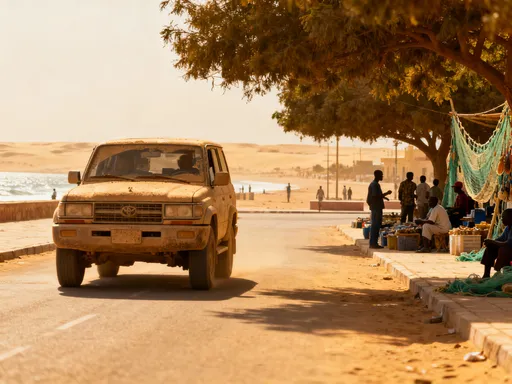
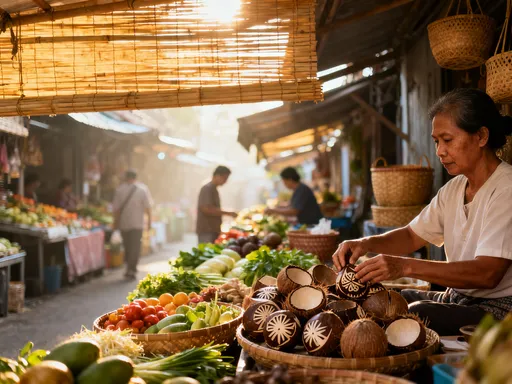
At the center of Ouarzazate’s commercial and social life lies Souk El Kebir, the city’s main market. More than just a collection of stalls, this bustling bazaar functions as the heartbeat of the community—a place where families meet, news is exchanged, and daily rituals unfold. The market opens early, often before sunrise, when the air is still cool and the scent of fresh bread drifts from communal ovens. By mid-morning, the alleys are alive with activity: vendors arranging pyramids of oranges, women balancing baskets on their heads, and children darting between carts loaded with olives and dates.
The layout of Souk El Kebir follows a traditional Moroccan pattern, with narrow, winding lanes organized by trade. One section is dedicated to fresh produce, where seasonal fruits and vegetables spill from woven baskets—plump figs, deep-purple eggplants, and fragrant herbs tied in neat bundles. Nearby, butchers display lamb and chicken under shaded awnings, while fishmongers, though fewer in number due to the desert location, offer dried and salted varieties brought in from the Atlantic coast. The rhythm of the market mirrors the rhythm of life here: practical, communal, and deeply attuned to the cycles of nature.
Textiles and household goods occupy another major zone. Bolts of colorful fabric hang like banners, and stacks of hand-thrown pottery sit in neat rows. Women browse caftans and scarves, feeling the weight of the fabric and inspecting the embroidery. Bargaining is expected but conducted with courtesy—prices are negotiated not as a contest, but as a form of interaction. A vendor might offer mint tea to a regular customer, or pause to inquire after a family member. These small gestures reveal that the market is not merely a place of commerce, but a social network woven through daily exchange.
One of the most striking aspects of Souk El Kebir is the way it integrates tradition with modern needs. While many stalls still use wooden scales and cloth bags, others have adopted mobile payment systems or display prices in both dirhams and euros for tourist convenience. Yet even with these updates, the market retains its authenticity. There are no forced performances or staged photo opportunities—just real people going about their lives. For visitors, this offers a rare chance to observe Moroccan culture not as a spectacle, but as a lived reality. The experience is immersive, humbling, and deeply human.
Crafting Heritage: Artisans Behind the Goods
Beyond the market stalls lie the workshops where Morocco’s artistic legacy is kept alive. In Ouarzazate, craftsmanship is not a tourist attraction—it is a way of life. Artisans rise early to begin their work, often in small family-run spaces where multiple generations collaborate. The sound of chisels on wood, the rhythmic tapping of hammers on metal, and the soft hum of looms fill the air in the artisan quarters. Each craft carries a lineage, a story, and a set of techniques passed down through decades, if not centuries.
One of the most revered crafts in the region is zellige tilework, a form of mosaic art using hand-cut ceramic tiles arranged into intricate geometric patterns. These tiles adorn fountains, courtyards, and doorways throughout Morocco, and in Ouarzazate, a handful of master artisans continue the tradition. The process is labor-intensive: each tile is shaped by hand, glazed in vibrant colors, and then carefully fitted into larger designs without the use of modern adhesives. The precision required is extraordinary, and apprentices may spend years mastering even basic patterns. When visitors purchase zellige coasters or decorative panels from local cooperatives, they are not just buying souvenirs—they are supporting a fragile art form that risks fading in the face of mass production.
Woodworking is another cornerstone of Ouarzazate’s artisan economy. Skilled carvers create everything from ornate doors to delicate boxes, each piece adorned with symbols drawn from Amazigh (Berber) cosmology. The cedar wood, often sourced sustainably from the Middle Atlas region, is prized for its fragrance and durability. Many workshops operate as cooperatives, particularly those led by women, who have increasingly taken on leadership roles in preserving cultural heritage. These cooperatives ensure fair wages, safe working conditions, and direct access to markets, allowing artisans to maintain independence while reaching a global audience.
Pottery, too, plays a vital role in daily life and ritual. In nearby villages such as Tamegroute, potters use centuries-old techniques to shape vessels on foot-powered wheels, then fire them in wood-burning kilns. The green-glazed pottery for which Tamegroute is famous is made using a unique copper-based formula, a secret guarded by a few families. These pieces are not only beautiful but functional—used for storing water, serving tea, or holding spices. By purchasing directly from artisans or certified cooperatives, travelers help sustain these traditions and ensure that the knowledge is passed to future generations.
Textiles That Tell Stories: From Berber Rugs to Caftans
In Morocco, textiles are more than fabric—they are narratives woven in thread and dye. The rugs, blankets, and garments found in Ouarzazate’s markets carry symbols that speak of identity, protection, fertility, and belonging. Berber rugs, in particular, are renowned for their bold geometric patterns and deep cultural significance. Each tribe has its own visual language, and the designs often reflect elements of the natural world—mountains, rivers, stars—as well as spiritual beliefs. A zigzag line might represent water, a diamond shape a woman’s fertility, and a cross a protective amulet.
What sets authentic Berber rugs apart is that they are rarely made to order. Traditionally, women wove them for their own homes or as part of a dowry, embedding personal and communal history into every knot. The wool is hand-spun and dyed using natural pigments from plants, minerals, and insects—indigo for blue, saffron for yellow, henna for red. The result is a rug that is not only durable but alive with variation, each one unique. In contrast, mass-produced imitations found in tourist shops often use synthetic dyes and uniform patterns, lacking the soul of the original.
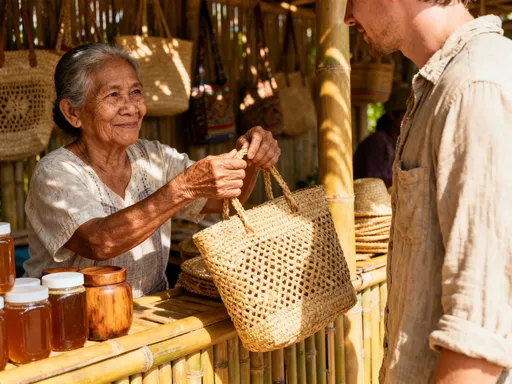
For travelers, distinguishing between authentic and commercial pieces requires attention to detail. Handmade rugs typically have slight irregularities in shape and pattern—this is not a flaw, but a sign of authenticity. The underside should show consistent, tight knots, and the wool should feel dense and resilient. Speaking with the weaver or seller can also provide insight: artisans are often proud to explain the meaning behind their designs and the process of creation. When possible, purchasing from women’s cooperatives ensures that the benefits go directly to the makers, many of whom rely on this income to support their families.
Caftans and djellabas, the flowing robes worn by men and women, also reflect regional identity and craftsmanship. In Ouarzazate, urban styles tend to feature elaborate embroidery, silk blends, and metallic threads, while rural versions are simpler, made from cotton or wool for practicality. The colors and motifs often indicate the occasion—white for weddings, deep reds for celebrations, and earth tones for everyday wear. These garments are not costumes; they are living traditions worn with pride. Bringing one home is not just a fashion choice—it is a gesture of respect for a culture that values beauty, modesty, and artistry in equal measure.
Spices, Scents, and Secrets: The Sensory Heart of the Market
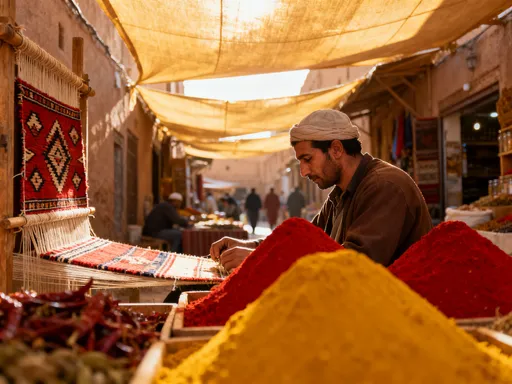
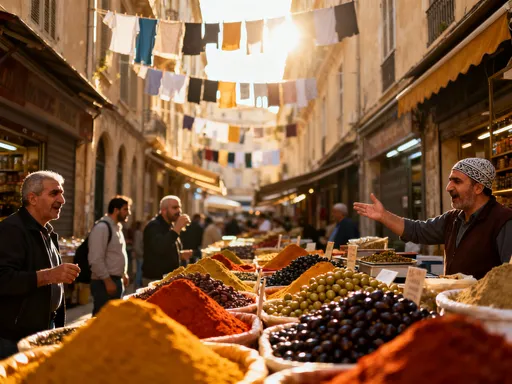
No visit to Ouarzazate is complete without stepping into the spice quarter, where mounds of powdered saffron, cumin, paprika, and turmeric create a landscape of color and aroma. The air is thick with the scent of cinnamon, ginger, and dried mint—a sensory overload that awakens memory and appetite alike. Vendors sit behind their stalls, sifting spices through wooden sieves or grinding blends in hand-cranked mills. This is not just a place to buy ingredients; it is a living archive of Amazigh knowledge, where culinary tradition meets herbal wisdom.
One of the most celebrated blends is ras el hanout, a complex mixture that can contain up to thirty spices, including cardamom, nutmeg, allspice, and dried rose petals. The name translates to “top of the shop,” suggesting that only the finest spices are used. Each vendor has their own recipe, often a family secret passed down through generations. Some blends are designed for meat dishes, others for stews or rice. Beyond flavor, many spices are valued for their medicinal properties—ginger for digestion, cumin for immunity, saffron for mood enhancement. This holistic approach to food reflects a deeper philosophy: that nourishment is both physical and spiritual.
What makes the spice market so special is the willingness of vendors to share their knowledge. Rather than treating recipes as proprietary, many will explain how to use a blend, recommend pairings, or even offer a small taste. A grandmother might demonstrate how to prepare a traditional remedy using fenugreek and honey, or a young vendor might describe how his grandfather taught him to identify high-quality saffron by its deep red threads and floral scent. These exchanges transform shopping into a form of cultural dialogue, where trust and curiosity build bridges across languages.
For visitors, bringing home a few spice blends is a simple yet meaningful way to carry a piece of Morocco into daily life. Cooking with ras el hanout or preserved lemons can become a ritual—a moment to remember the warmth of the market, the kindness of strangers, and the richness of a culture that sees food as both art and medicine. It is a reminder that the most lasting souvenirs are not always objects, but experiences absorbed through the senses.
Beyond Souvenirs: Shopping with Respect and Awareness
As tourism grows, so does the responsibility to shop mindfully. The markets of Ouarzazate offer incredible beauty, but they also face challenges—imitation goods, unfair pricing, and the risk of cultural commodification. To truly honor the artisans and traditions on display, visitors must approach shopping as an act of respect, not just consumption. This begins with understanding value. Handmade crafts take time, skill, and materials, and their prices should reflect that. A rug woven over weeks should not be bargained down to the cost of a factory-made replica. Fair negotiation means finding a price that is reasonable for the buyer and sustainable for the maker.
It also means asking questions. Where was this made? Who made it? Is it part of a cooperative? Many vendors are happy to share this information, especially when they sense genuine interest. Buying from cooperatives or family workshops ensures that the majority of the income goes directly to the artisans, rather than to middlemen or large retailers. It also supports transparency and ethical production. Certifications such as “Artisan du Maroc” or labels indicating fair trade practices can serve as helpful guides, though personal connection remains the most reliable indicator of authenticity.
Equally important is the attitude with which one engages. A smile, a greeting in Arabic or Tamazight, a willingness to sit and chat—these small acts build rapport and show respect. Bargaining should never feel adversarial; in Moroccan culture, it is a form of social interaction, often ending in laughter and shared tea. When travelers treat vendors as individuals with stories, skills, and dignity, they participate in a deeper exchange—one that transcends commerce.
Finally, mindful shopping means resisting the urge to collect everything. A single, well-chosen piece—a hand-thrown bowl, a hand-dyed scarf, a small zellige tile—can hold more meaning than a suitcase full of trinkets. By focusing on quality over quantity, travelers honor the craftsmanship and intention behind each object. This shift in mindset—from souvenir hunting to meaningful acquisition—transforms shopping into a form of cultural appreciation rather than appropriation.
From Market to Memory: Carrying Culture Home
The true value of a journey lies not in what we bring back, but in what we carry forward. The objects purchased in Ouarzazate—whether a rug, a spice jar, or a piece of pottery—are more than decorations. They are vessels of memory, connecting us to the hands that made them, the stories they tell, and the place they come from. Each time we use a handwoven blanket or serve tea in a glazed cup, we rekindle a moment of connection, a fragment of a world we were privileged to witness.
Integrating these items into modern life need not mean replicating Moroccan interiors exactly. A Berber rug can anchor a minimalist living room; a hand-carved mirror can add warmth to a hallway; a jar of ras el hanout can inspire weekly cooking experiments. The key is to honor the origin while allowing the object to live in the present. Displaying a piece with a small card explaining its source or the artisan’s name can deepen appreciation and spark conversation—a way to share the story behind the object.
Travel, at its best, is a bridge between worlds. In Ouarzazate, that bridge is built on mutual respect, curiosity, and the quiet dignity of craftsmanship. Every purchase made with intention becomes a thread in that bridge—a small but meaningful gesture of support for a culture that continues to thrive against the tide of globalization. It is not about preserving the past in amber, but about ensuring that tradition evolves with integrity.
As the sun sets over the dunes and the market begins to quiet, the colors soften and the scents linger in the air. The journey may end, but the connection remains. And perhaps, in choosing one authentic piece over a dozen imitations, we do more than decorate our homes—we help keep a heritage alive. That is the real treasure of Ouarzazate’s desert bazaar: not what we find, but what we become through the finding.