You Won’t Believe What I Discovered at Sharm El Sheikh’s Hidden Cultural Heart
Sharm El Sheikh isn’t just beaches and snorkeling—there’s a deeper rhythm beneath the surface. I went looking for sun and found soul instead. From traditional Tanoura dances to spice-scented souks and Bedouin storytelling under desert stars, the cultural heartbeat of Egypt pulsed in every moment. This is more than a vacation—it’s a connection. If you’ve only seen the resort side, you’re missing the magic. Let me show you the real Sharm.
Beyond the Resorts: Uncovering Sharm’s Cultural Soul
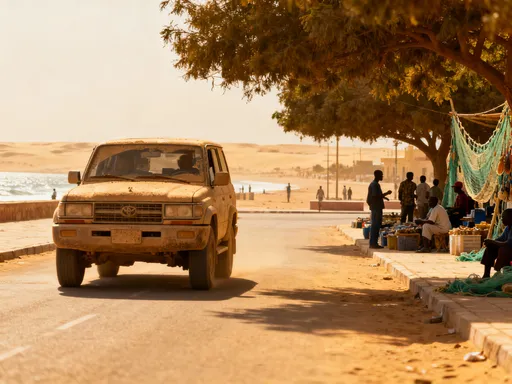
Most travelers picture Sharm El Sheikh as a string of luxury resorts along the Red Sea coast—pristine beaches, infinity pools, and all-inclusive ease. While these comforts are undeniably appealing, they represent only a fraction of what this destination offers. Just a short drive from the tourist enclaves lies a quieter, more authentic world, where the rhythm of daily life unfolds in ways untouched by mass tourism. Here, in neighborhoods like Hadaba and Soho Square, the soul of Egypt breathes through open market stalls, family-run cafes, and the warm greetings of shopkeepers who remember your name after just one visit.
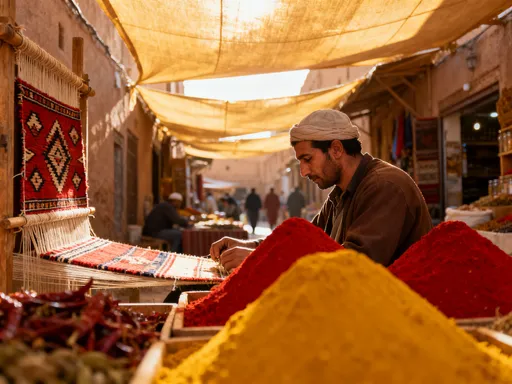
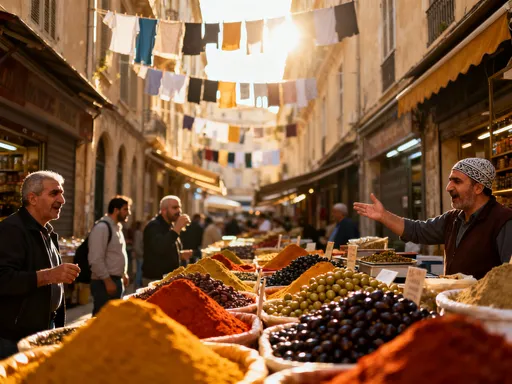
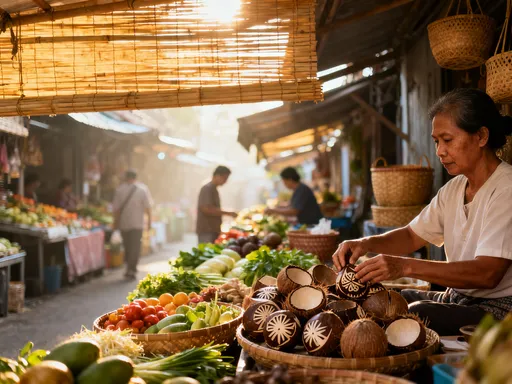
The true cultural awakening begins in the early morning hours, when the city stirs before the tourist buses arrive. At the local market near Naama Bay, vendors arrange pyramids of ripe mangoes, baskets of dried hibiscus, and mounds of golden turmeric. The air carries the scent of cardamom and freshly ground cumin, mingling with the faint brine of the sea. This is not a market staged for tourists; it’s a living, breathing marketplace where locals buy their daily bread and haggle over the price of saffron. It’s here that travelers can begin to peel back the layers of surface-level tourism and step into a more meaningful exchange.
Engaging with artisans—pottery makers, textile weavers, and glassblowers—offers a rare window into centuries-old traditions. Many of these craftspeople learned their skills from parents and grandparents, passing down techniques that have remained unchanged for generations. One elderly weaver in a tucked-away workshop shared how his family has crafted hand-loomed cotton for over a century, using patterns inspired by ancient Nile motifs. His hands moved with quiet precision, each thread a story, each color a memory. These moments of connection remind us that travel is not just about seeing new places, but about understanding the people who call them home.
Shifting from passive relaxation to active cultural immersion transforms the nature of a vacation. It moves the experience from consumption to participation. When you buy a hand-carved wooden box directly from the artist who made it, or when you share a cup of tea with a shopkeeper who teaches you a few words in Arabic, you’re no longer just a visitor. You become part of a shared human moment. This deeper layer of travel fosters empathy, broadens perspective, and leaves a more lasting impression than any souvenir ever could.
The Pulse of Tradition: Experiencing Local Music and Dance
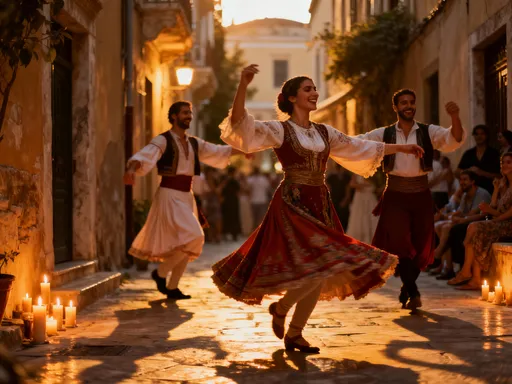
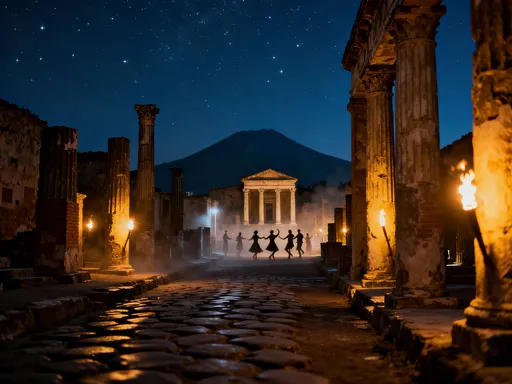
One of the most vivid expressions of Egyptian culture is its music and dance, and in Sharm El Sheikh, these traditions come alive in ways that are both mesmerizing and deeply moving. The Tanoura dance, with its swirling performers draped in colorful, multi-layered skirts, is perhaps the most iconic. Originating from Sufi spiritual practices, the dance is not merely a performance but a form of meditation in motion. The rhythmic spinning symbolizes the rotation of the planets and the soul’s journey toward divine unity. Watching a Tanoura show under the open sky, with the stars mirroring the dancers’ spirals, is an experience that transcends entertainment—it becomes a moment of reflection and wonder.
These performances are often held in intimate cultural centers or during special evening events in local squares. Unlike the large-scale productions in Cairo or Luxor, the shows in Sharm El Sheikh tend to be smaller, more personal, and deeply connected to the community. Musicians play traditional instruments like the darbuka (goblet drum), the ney (reed flute), and the oud (lute), creating melodies that echo across centuries. The rhythms build slowly, drawing the audience into a shared emotional current. As the dancers spin faster, their movements become a blur of color and grace, each turn a prayer, each gesture a story.
For travelers, attending such performances is not just about observation—it’s about respectful participation. Applause is welcome, but so is silence during the more meditative segments. Photography is usually permitted, but it’s important to ask first and avoid using flash, which can disrupt the performers’ focus. Some shows invite the audience to join in simple drumming or clapping, creating a circle of shared energy. These moments of inclusion break down the barrier between visitor and local, fostering a sense of belonging, even if only for an evening.
The cultural significance of these art forms cannot be overstated. They are not tourist attractions created for foreign eyes; they are living traditions that continue to hold spiritual and social importance for Egyptians. By choosing to attend authentic performances—those organized by local cultural groups rather than commercial tour operators—travelers support the preservation of these arts. More importantly, they gain a deeper appreciation for the values they represent: patience, devotion, and the beauty of disciplined movement. In a world that often feels rushed and fragmented, the Tanoura dance reminds us of the power of stillness within motion, of focus within chaos.
Tastes That Tell Stories: A Culinary Journey Through Local Flavors
To taste a culture is to understand it in the most intimate way. In Sharm El Sheikh, food is not just sustenance—it’s a celebration of history, family, and hospitality. While resort menus often cater to international palates with familiar dishes, venturing into local eateries reveals a rich culinary tapestry woven from centuries of tradition. The aroma of slow-cooked stews, the crackle of flatbread on a hot griddle, the warmth of spiced tea—these are the sensory threads that connect travelers to the heart of Egyptian life.
One of the most beloved national dishes, koshari, is a perfect example of Egypt’s layered history. A hearty mix of lentils, rice, chickpeas, and macaroni, topped with crispy fried onions and a tangy tomato-vinegar sauce, koshari is both humble and deeply satisfying. Its origins trace back to the 19th century, influenced by Indian, Italian, and Middle Eastern cuisines, yet it has become uniquely Egyptian. Finding a small, family-run restaurant where koshari is served in generous portions on metal trays offers a taste of everyday life. The meal is often shared at communal tables, where conversations flow as freely as the mint tea.
Another staple, molokhia, is a green leafy vegetable stew typically served with chicken and rice. Its slightly mucilaginous texture may be unfamiliar to some, but its earthy, herbal flavor is comforting and complex. Prepared with garlic, coriander, and a touch of lemon, it’s a dish that speaks of home cooking and seasonal ingredients. In Sharm, many local homes still prepare molokhia on Fridays, the start of the weekend in Egypt, when families gather for long, leisurely meals. Some small eateries near residential areas offer it on weekends, allowing travelers to experience this tradition firsthand.
Bread, especially baladi—a round, pita-like flatbread baked in wood-fired ovens—is central to every meal. Watching a baker stretch and slap the dough before sliding it into the oven is a small but powerful ritual. It’s common to see people carrying fresh baladi home in cloth bags, still warm from the oven. In local cafes, meals are often eaten with the right hand, using pieces of bread to scoop up food, a practice that emphasizes connection and mindfulness.
Sharing a meal in Egypt is never just about eating. It’s an act of generosity, a way of saying “you are welcome.” Whether it’s a shopkeeper offering a date and tea after a conversation, or a family inviting a visitor to join their dinner, these gestures reflect a deep cultural value: that no one should eat alone. For travelers, accepting these invitations—however briefly—opens a door to genuine human connection. It transforms a meal into a memory, a flavor into a feeling.
Souks and Stories: Shopping with Meaning in Sharm’s Markets
The souks of Sharm El Sheikh are more than places to buy souvenirs—they are sensory landscapes where culture, commerce, and community intersect. Unlike the polished gift shops inside resorts, the local markets pulse with authenticity. Here, goods are not mass-produced for tourists but crafted with care, often by hands that have shaped similar items for decades. The experience of shopping in these souks is not transactional; it’s relational. Each interaction carries the potential for a story, a lesson, or a moment of shared laughter.
Walking through a traditional market, one is immediately struck by the colors and scents. Bolts of hand-dyed fabric in deep indigo, saffron, and crimson hang from wooden beams. Spices spill from burlap sacks—cumin, coriander, cinnamon, and sumac—filling the air with a warm, earthy perfume. Artisans display their work with quiet pride: silver Bedouin jewelry with intricate filigree, leather sandals hand-stitched with geometric patterns, and glass bottles colored with natural pigments. These are not trinkets; they are expressions of identity and skill.
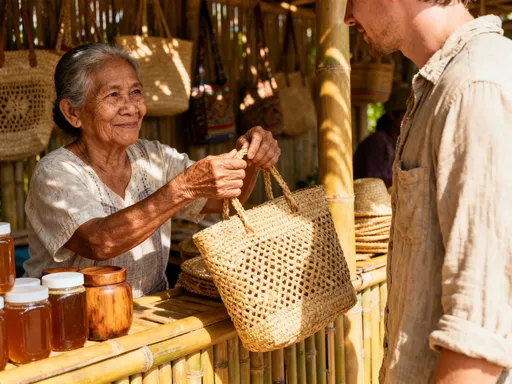
One of the most meaningful aspects of shopping in these markets is the opportunity to meet the makers. A jeweler might explain how his designs are inspired by desert constellations, or a weaver might demonstrate how natural dyes are extracted from pomegranate peels and henna leaves. These conversations deepen the value of what is purchased. A bracelet becomes more than an accessory; it becomes a token of a real encounter, a bridge between cultures.
Bargaining is a common practice, but it should be approached with respect and good humor. It’s not about winning the lowest price, but about engaging in a cultural dance of negotiation. Starting with a polite greeting in Arabic—“Salaam alaikum”—and a smile can set the tone for a positive exchange. A fair price is one that honors the artisan’s labor while remaining reasonable for the buyer. The goal is mutual satisfaction, not exploitation.
For travelers, shopping with intention means choosing items that support local livelihoods. Handmade goods, especially those produced by women’s cooperatives or small family workshops, ensure that money stays within the community. It also means resisting the temptation to buy mass-produced imitations sold by opportunistic vendors near tourist zones. Authenticity has weight, both in craftsmanship and in impact. When you carry home a piece of Sharm’s culture, let it be one that was made with pride and purchased with respect.
Desert Evenings with the Bedouin: A Night of Heritage Under the Stars
Among the most profound cultural experiences in Sharm El Sheikh is spending an evening with a Bedouin community in the Sinai desert. These nomadic people, whose ancestors have roamed the region for thousands of years, offer travelers a rare glimpse into a way of life shaped by resilience, hospitality, and deep spiritual connection to the land. Organized through responsible tour operators, these evenings are not performances but genuine cultural exchanges, rooted in mutual respect.
A typical night begins with a camel or 4x4 ride into the desert, where the dunes glow in the fading light. Upon arrival at a traditional Bedouin camp, guests are welcomed with a small cup of strong, sweet tea—usually the first of many. This tea, brewed over an open fire with fresh mint and sugar, is more than a drink; it’s a symbol of welcome. In Bedouin culture, offering tea is a sacred gesture, one that signifies trust and friendship. Refusing it would be considered impolite, so sipping slowly and accepting seconds is part of the ritual.
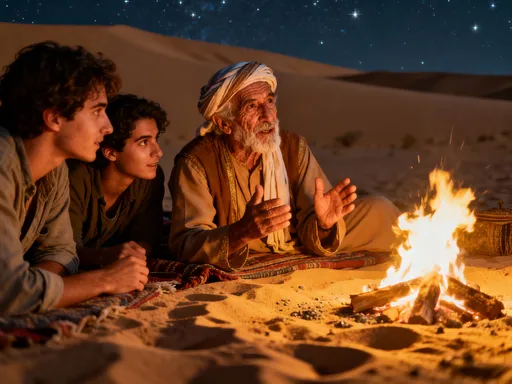
Dinner is a simple but nourishing spread: grilled meats, rice with nuts and raisins, flatbread, and yogurt. Everything is prepared over an open flame, using methods passed down through generations. As the meal unfolds, storytelling begins. Elders share tales of desert survival, ancient trade routes, and the wisdom of living in harmony with nature. Some stories are humorous, others philosophical, but all carry the weight of lived experience. Children listen quietly, absorbing the oral history that binds their community together.
Music follows, with men playing the rababa, a one-stringed fiddle, and the tabla, a hand drum. The songs are often chants or ballads that recount historical events or express spiritual devotion. Guests are sometimes invited to clap along or try a few words in Arabic, creating a circle of shared rhythm and joy. The night ends under a canopy of stars, with the silence of the desert stretching in every direction. In that stillness, one feels both small and deeply connected—to the earth, to the people, to something timeless.
Responsible tourism is essential when participating in these experiences. Travelers should choose operators who work directly with Bedouin families, ensure fair compensation, and minimize environmental impact. Avoid tours that treat the culture as a spectacle or encourage intrusive photography. The goal is not to observe from a distance, but to engage with humility and gratitude. These evenings are not just memories; they are invitations to see the world through different eyes.
Sacred Spaces: Understanding Religious and Historical Sites Nearby
While Sharm El Sheikh itself is a modern resort town, its location in southern Sinai places it within reach of some of Egypt’s most spiritually significant sites. Among them, St. Catherine’s Monastery and Mount Sinai stand as testaments to the region’s deep interfaith heritage. Nestled at the foot of Mount Sinai, the monastery is one of the oldest working Christian monasteries in the world, dating back to the 6th century. Built by order of Emperor Justinian, it has served as a place of worship, scholarship, and pilgrimage for over 1,400 years.
The journey to the monastery is as meaningful as the destination. The road winds through rugged mountain terrain, where jagged peaks rise like ancient sentinels. Upon arrival, visitors are struck by the fortress-like walls, designed to protect the monks from raids in centuries past. Inside, the atmosphere is one of quiet reverence. The chapel houses sacred icons, some dating back to the 6th and 7th centuries, painted in the Byzantine tradition. The Library of St. Catherine’s holds one of the world’s most important collections of early manuscripts, including some of the oldest known copies of the Bible.
Adjacent to the monastery, Mount Sinai—known to Muslims as Jabal Musa, or “Mountain of Moses”—is believed to be the place where Moses received the Ten Commandments. The ascent, typically made before dawn, is a pilgrimage in itself. Thousands of steps, lit by lanterns, lead to the summit. As the sun rises, casting golden light over the surrounding peaks, the view is nothing short of transcendent. Pilgrims and travelers alike pause in silence, moved by the grandeur and the weight of history.
What makes this region so powerful is its interfaith significance. For Jews, Christians, and Muslims, Mount Sinai is a sacred space where divine revelation occurred. The peaceful coexistence of these traditions in southern Sinai reflects a long history of mutual respect. Local guides, often from the Bedouin community, share stories from all three faiths, emphasizing common values of humility, obedience, and spiritual seeking. Visiting these sites is not about religious conversion, but about understanding the depth of human spirituality and the shared roots of belief.
Day trips to St. Catherine’s and Mount Sinai are best arranged through reputable tour operators who prioritize cultural sensitivity and environmental care. The experience is not one of conquest, but of contemplation. It reminds travelers that some places are not meant to be rushed, but revered. In a world often divided by faith, these sacred spaces offer a quiet message of unity and peace.
Bringing It Home: How Cultural Immersion Changes the Way We Travel
Returning from Sharm El Sheikh with a suitcase full of souvenirs is one thing. Returning with a heart full of stories, connections, and new perspectives is another. The shift from resort-based tourism to cultural immersion changes not just how we travel, but how we see the world. It moves us from being observers to participants, from consumers to contributors. We begin to understand that every place has a soul, and that soul is carried by its people.
Cultural immersion fosters empathy. When we sit with a Bedouin elder and listen to his stories, when we learn to say “shukran” (thank you) in Arabic, when we accept a plate of food from a stranger’s hands, we break down the invisible walls that separate “us” from “them.” These small acts of connection remind us of our shared humanity. They challenge stereotypes and replace them with understanding. They teach us that kindness is a universal language, and that hospitality knows no borders.
Supporting local communities through responsible travel has a ripple effect. Every meal eaten at a family-run restaurant, every handmade item purchased directly from an artisan, every tour booked with an ethical operator contributes to sustainable livelihoods. It ensures that tourism benefits those who call Sharm El Sheikh home, rather than only foreign-owned businesses. This kind of travel is not just ethical—it’s transformative. It empowers communities, preserves traditions, and protects cultural heritage.
For travelers, especially women in their 30s to 50s who often seek meaningful, enriching experiences, this deeper form of travel offers a sense of purpose. It’s not about ticking off landmarks, but about collecting moments of connection. It’s about returning home not just with photos, but with a changed heart. The memories of a Tanoura dance, a desert tea, a shared meal—these stay with us long after the tan fades.
As we plan our next journeys, let us ask not just where we want to go, but how we want to travel. Let us seek out the hidden rhythms beneath the surface. Let us listen to the stories, taste the food, learn the dances, and honor the traditions. Because the real magic of travel isn’t in the places we visit—it’s in the people we meet along the way. And in Sharm El Sheikh, that magic is waiting, just beyond the resort gates.