You Won’t Believe What I Found in Cologne’s Hidden Theme Zones
Cologne is more than just a cathedral and perfume. I recently wandered beyond the postcard sights and stumbled into something unexpected—vibrant theme areas where history, culture, and local life blend in the most surprising ways. From the creative buzz of Belgian Quarter to the riverside energy of Rheinauhafen, each district tells its own story. If you’re looking for authentic experiences that guidebooks often miss, this is where Cologne truly comes alive. These neighborhoods are not just places to visit; they are immersive worlds that invite curiosity, connection, and quiet discovery. What makes them special isn’t just their beauty or charm, but the way they allow travelers to step into the rhythm of daily life while still feeling like guests in a richly layered city.
The Magic of Themed Neighborhoods in Urban Travel
Themed neighborhoods transform the way we experience cities. Instead of seeing a destination as a checklist of landmarks, visitors can immerse themselves in distinct atmospheres shaped by history, architecture, and community spirit. In Cologne, these zones are not artificially created for tourism—they evolved organically over decades, each reflecting a unique chapter in the city’s story. Whether it’s the medieval heart of Altstadt or the industrial rebirth of Rheinauhafen, each area offers a sensory-rich environment that engages sight, sound, and even taste. This kind of urban diversity allows travelers to tailor their journey based on mood, interest, or energy level.
What sets themed districts apart is their ability to create emotional resonance. Studies in environmental psychology suggest that people form stronger memories when environments have clear identity and narrative coherence. A place with character—such as a street lined with colorful murals or a market filled with the scent of fresh bread—activates deeper cognitive engagement than generic urban spaces. In Cologne, this means walking through Ehrenfeld feels different from sipping coffee in the Belgian Quarter, not just because of what you see, but because of how you feel. The city’s commitment to preserving neighborhood authenticity fosters a sense of continuity between past and present, making every visit feel meaningful.
Urban planners in Cologne have long recognized the value of distinct district identities. Rather than imposing uniform development, the city supports localized character through zoning policies, public art initiatives, and investment in pedestrian-friendly infrastructure. As a result, residents take pride in their neighborhoods, which in turn enhances the visitor experience. When locals linger at corner cafes or gather at weekly markets, tourists gain access to real-life moments rather than staged performances. This authenticity is increasingly rare in globalized cities, yet it remains central to Cologne’s appeal. For travelers seeking connection over convenience, these themed zones offer a refreshing alternative to crowded attractions.
Altstadt: Where Tradition Meets Lively Street Culture
No visit to Cologne is complete without stepping into Altstadt, the historic core anchored by the awe-inspiring Cologne Cathedral. With its narrow cobblestone streets and centuries-old buildings, this district pulses with energy from morning until late at night. It’s a place where tradition and tourism coexist, often harmoniously. The scent of roasting chestnuts in winter, the clink of Kölsch beer glasses in bustling Brauhauses, and the sound of street musicians playing folk tunes all contribute to an atmosphere that feels both timeless and alive. While some areas draw large crowds, especially around the cathedral and Heumarkt, quieter corners reveal intimate courtyards and family-run shops that have operated for generations.
One of the most cherished traditions in Altstadt is the ritual of drinking Kölsch—the city’s signature pale ale—served in small cylindrical glasses called Stangen. Brewed exclusively within Cologne’s city limits, Kölsch is protected by law, much like Champagne in France. Locals take pride in this distinction, and visitors are welcomed into the culture with warmth and humor. Servers, known as Köbes, move swiftly between tables, often refilling glasses without being asked—a practice that can surprise first-time guests. Understanding the etiquette—such as placing a coaster over your glass when you’ve had enough—adds a layer of cultural insight to the experience.
For those looking to avoid peak congestion, visiting early in the morning or during weekday evenings offers a more relaxed pace. Sunrise at the cathedral plaza, with soft light illuminating the twin spires, is a moment of quiet majesty. Similarly, exploring the side streets near St. Martin’s Church reveals artisanal boutiques and small galleries tucked away from the main thoroughfares. Seasonal events also enhance the district’s charm: the Christmas markets transform the Old Market into a glittering wonderland, while Carnival celebrations in February bring parades, music, and exuberant costumes to the streets. These moments showcase how deeply rooted traditions continue to shape contemporary life in Altstadt.
To make the most of a visit, consider starting with a guided walking tour focused on local customs and hidden courtyards. Many tours are led by lifelong residents who share personal anecdotes and lesser-known facts about the neighborhood. Afterward, pausing at a quieter Brauhaus—perhaps one slightly off the main drag—allows for conversation with locals and a deeper appreciation of the city’s convivial spirit. Altstadt may be one of the most photographed parts of Cologne, but its true magic lies in the spontaneous interactions and sensory details that unfold when you slow down and observe.
Belgian Quarter: The Hip Heartbeat of Modern Cologne
If Altstadt represents Cologne’s historic soul, the Belgian Quarter—known locally as Belgisches Viertel—embodies its creative pulse. Located just south of the city center, this district radiates a relaxed yet stylish energy. Tree-lined avenues, pastel-painted facades, and a steady stream of cyclists give it a distinctly European charm. What truly defines the area, however, is its concentration of independent boutiques, concept stores, and cozy cafes. Here, fashion designers display handmade garments in minimalist shop windows, bookstores curate selections of art and travel literature, and patisseries serve delicate pastries alongside expertly brewed coffee.
The Belgian Quarter has undergone gradual gentrification over the past two decades, evolving from a quiet residential area into a cultural hotspot. Yet, unlike in some cities where such changes erase local character, this neighborhood has managed to retain its bohemian warmth. Artists, freelancers, and young families coexist in a space that values individuality and self-expression. Street art appears on garage doors and alley walls, often changing with the seasons, while community events like open-air film screenings and flea markets foster a sense of belonging. The result is a district that feels curated but never sterile—a place where creativity flows naturally from everyday life.
One of the joys of exploring the Belgian Quarter is the element of discovery. Turning a corner might lead to a hidden courtyard filled with potted plants and string lights, or a pop-up design fair hosted in a repurposed warehouse. The area is particularly inviting for those who enjoy browsing without a fixed agenda. Whether it’s a vintage clothing stall, a ceramics studio offering workshops, or a plant shop with hanging ivy and rare succulents, each stop offers a tactile and visual delight. Brunch culture thrives here, with many cafes emphasizing seasonal ingredients and sustainable sourcing. Sitting outside on a sunny morning, watching neighbors greet one another by name, reinforces the neighborhood’s welcoming atmosphere.
For visitors, the best approach is to wander without urgency. Begin at Apostelkirche, a striking modern church that contrasts with the surrounding 19th-century buildings, then drift eastward along Apostelstraße and Friesenstraße. These streets form the district’s main spine and are ideal for people-watching and spontaneous stops. While specific shop names may change, the overall vibe remains consistent: thoughtful, understated, and deeply rooted in local life. The Belgian Quarter doesn’t demand attention like a major landmark—it reveals itself slowly, rewarding those who take the time to look closely.
Rheinauhafen: A Contemporary Twist on Industrial Heritage
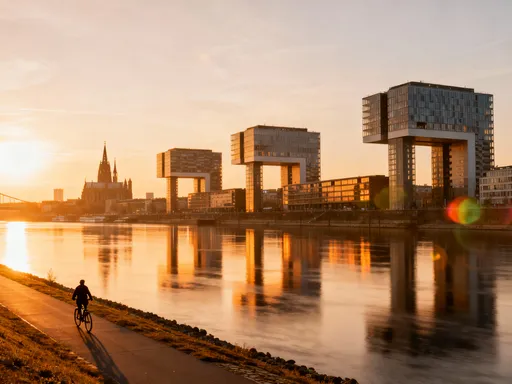
Once a bustling industrial port, Rheinauhafen has been reimagined as one of Cologne’s most striking modern districts. Located along the eastern bank of the Rhine, this area blends architectural innovation with leisurely waterfront living. The most iconic feature is the Kranhäuser—three crane-shaped buildings that extend over the water, their sleek glass and steel forms reflecting the sky and river. Originally designed as office spaces, they now house design firms, boutique hotels, and high-end restaurants. Their dramatic silhouette has become a symbol of Cologne’s forward-thinking urban renewal, proving that industrial heritage can be honored while embracing contemporary design.
Walking through Rheinauhafen feels like stepping into a carefully composed postcard. Wide promenades invite leisurely strolls, while landscaped parks and open plazas provide space for relaxation. The area is especially popular at sunset, when golden light bathes the buildings and couples, photographers, and solo travelers gather to capture the view. Public art installations—ranging from abstract sculptures to interactive light displays—add layers of visual interest. Nearby, the Museum of Applied Art (MAKK) offers a refined cultural experience, with rotating exhibitions on design, fashion, and material culture that appeal to curious minds.
Dining options in Rheinauhafen cater to a refined palate without sacrificing warmth. Riverside restaurants serve regional specialties with modern twists—think slow-cooked beef with red cabbage reduction or fresh Rhine trout with herb butter. Many establishments offer outdoor seating, allowing guests to enjoy meals with a view of passing boats and the distant skyline. For a more casual experience, food trucks and kiosks line the promenade during warmer months, offering everything from gourmet sandwiches to artisanal ice cream. The atmosphere is cosmopolitan yet unhurried, ideal for travelers who appreciate quality without pretension.
One of the district’s strengths is its accessibility and walkability. It connects seamlessly to other parts of the city via footbridges and riverside paths, making it easy to include in a broader exploration of Cologne. A morning coffee in the Belgian Quarter can lead to an afternoon museum visit in Rheinauhafen, followed by an evening stroll along the Rhine. This fluid movement between zones enhances the sense of discovery, allowing visitors to experience the city as a collection of interconnected neighborhoods rather than isolated destinations. Rheinauhafen, in particular, demonstrates how thoughtful urban planning can turn overlooked spaces into destinations that inspire both locals and guests.
Ehrenfeld: Raw, Real, and Full of Local Flavor
Just a short ride from the city center, Ehrenfeld offers a refreshingly unpolished perspective on Cologne. This multicultural neighborhood pulses with authenticity, shaped by decades of immigration, grassroots activism, and creative resilience. Unlike more curated districts, Ehrenfeld wears its diversity proudly—on its street art, in its market stalls, and through the languages spoken in its cafes. The area’s energy is electric but grounded, a place where tradition and experimentation coexist. Turkish bakeries sit beside vegan brunch spots, independent record stores share blocks with African fabric shops, and pop-up galleries emerge in former factory spaces.
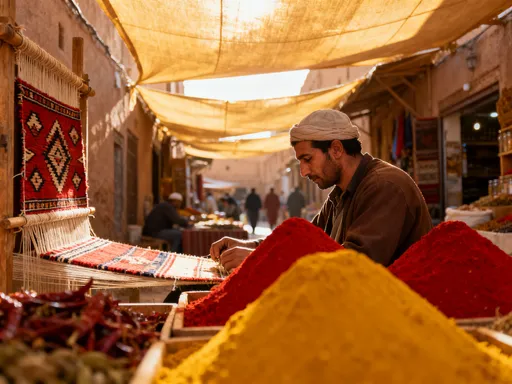
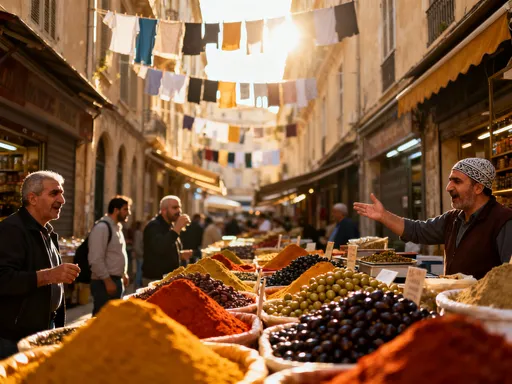
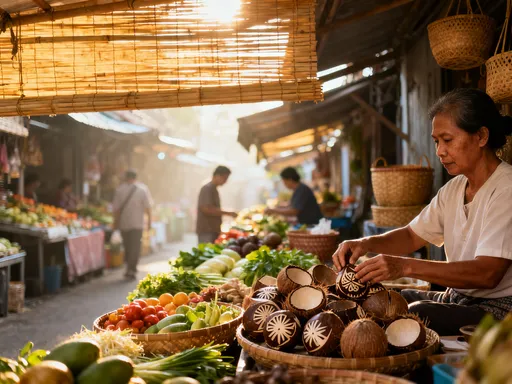
At the heart of Ehrenfeld’s daily life is the Wolffsohnstraße market, a vibrant open-air bazaar that runs several days a week. Locals come here to buy fresh produce, spices, olives, and handmade cheeses, often engaging in lively conversation with vendors. The air is rich with the scent of cumin, mint, and grilled meat, offering a sensory introduction to the neighborhood’s culinary diversity. For visitors, this market is not just a shopping destination but a window into the rhythms of urban life. Watching families gather ingredients for weekend meals or friends meet for coffee at a corner kiosk reveals the social fabric that holds the community together.
Street art is another defining feature of Ehrenfeld. Walls, garage doors, and even electrical boxes are canvases for bold murals and political messages. Some pieces are temporary, appearing overnight and vanishing weeks later, while others have become landmarks. This ever-changing visual landscape reflects the neighborhood’s dynamic spirit and commitment to free expression. Guided street art tours are available and offer insight into the artists and movements behind the work, though even a self-guided walk rewards attention. Every block tells a story, whether through a whimsical character painted on a side wall or a powerful slogan advocating social justice.
What makes Ehrenfeld especially valuable for travelers is its lack of performative tourism. There are no souvenir shops or guided bus tours here—just real life unfolding in real time. This doesn’t mean it’s unwelcoming; on the contrary, many cafes and cultural spaces actively encourage interaction. Small music venues host live performances ranging from jazz to Balkan beats, while community centers offer language exchanges and craft workshops. For those seeking a deeper understanding of Cologne beyond the postcard image, Ehrenfeld provides an honest, unfiltered glimpse into the city’s evolving identity. It’s a reminder that urban vitality often thrives not in polished plazas, but in the messy, colorful corners where people truly live.
Navigating Between Zones: Practical Tips for Seamless Exploration
One of Cologne’s greatest strengths is its efficient and user-friendly public transportation system, which makes exploring multiple themed districts both easy and enjoyable. The Kölner Verkehrs-Betriebe (KVB) operates an integrated network of trams, buses, and trains that connect every corner of the city. Most visitors find the tram to be the most convenient option, with frequent service and clear signage in German and English. Key lines, such as the 1 and 7, run through major districts including Altstadt, Belgian Quarter, and Ehrenfeld, allowing for smooth transitions between neighborhoods.
For those who prefer walking, the Rhine River offers a natural pathway that links several districts. Starting at the cathedral, a leisurely stroll along the right bank takes you past Rheinauhafen and into Deutz, with panoramic views of the skyline throughout. On the left bank, the promenade extends toward Rodenkirchen, passing parks and quiet residential areas. These routes are well-maintained and safe, making them ideal for morning walks or evening outings. Combining walking with short tram rides allows travelers to cover more ground without fatigue, especially when visiting three or more zones in a single day.
Timing is another important consideration. To avoid peak crowds, aim to visit Altstadt early in the day or during weekdays. The Belgian Quarter and Ehrenfeld are liveliest in the late morning and afternoon, when shops and cafes are fully open. Rheinauhafen shines in the evening, particularly around sunset when the lighting enhances its architectural beauty. Planning visits around meal times can also enrich the experience—arriving in Ehrenfeld during lunch hours means access to bustling market stalls, while an early dinner in Rheinauhafen ensures a peaceful riverside ambiance.
Tickets are affordable and flexible, with options ranging from single rides to day passes that include unlimited travel on all KVB services. The KVB app simplifies the process, allowing users to purchase and validate tickets digitally. For families or groups, group day tickets offer additional savings. Regardless of the choice, having a valid ticket ensures stress-free travel and access to all zones. With a little planning, visitors can craft a personalized itinerary that balances exploration, relaxation, and cultural immersion—moving effortlessly from the historic to the modern, the polished to the raw, all within a compact and walkable city.
Why Themed Districts Define the Future of City Travel
Cologne’s network of themed neighborhoods offers a blueprint for meaningful urban tourism. In an era where travel is often criticized for contributing to overcrowding and cultural erosion, this model presents a more sustainable and enriching alternative. By encouraging visitors to engage with distinct districts, each with its own identity and rhythm, the city fosters deeper connections and more intentional exploration. Rather than rushing from one monument to the next, travelers are invited to slow down, observe, and participate in the life of the city. This shift—from passive sightseeing to active experiencing—represents the future of how we engage with urban environments.
Themed districts also support local economies in a balanced way. When visitors disperse across neighborhoods like Ehrenfeld, Belgian Quarter, and Rheinauhafen, they bring attention and patronage to small businesses, artists, and community spaces. This reduces pressure on central landmarks while promoting economic diversity. Moreover, when tourism is distributed more evenly, residents are more likely to view visitors as welcome guests rather than disruptions. The result is a more harmonious relationship between hosts and travelers, grounded in mutual respect and shared space.
On a personal level, exploring themed zones changes the quality of memory and reflection. Instead of recalling a list of attractions, visitors remember the texture of a cobblestone street, the taste of a freshly baked pretzel, or the sound of laughter in a neighborhood square. These sensory imprints form a richer, more enduring narrative of the journey. Cologne, with its thoughtful blend of preservation and innovation, shows how cities can honor their past while remaining open to new influences and experiences.
As you plan your next city trip, consider not just where to go, but how to be present. Seek out neighborhoods with character, linger in places that invite curiosity, and allow yourself to be surprised. Whether in Cologne or another urban destination, the most memorable moments often come from stepping off the main path and into the living heart of a community. The future of travel isn’t about checking boxes—it’s about feeling connected, one authentic district at a time.