You Won’t Believe What I Found in Bohol’s Hidden Markets
Tucked away from the tourist trails of Bohol, something special is waiting—handmade treasures you won’t find anywhere else. I stumbled upon local artisans crafting one-of-a-kind goods that tell the island’s story. From intricate woven bags to natural honey straight from the hills, these finds aren’t just souvenirs—they’re pieces of Bohol’s soul. Let me take you through the island’s best-kept secrets. What I discovered wasn’t on any postcard or in a glossy travel brochure. It was quieter, more intimate—a whisper of tradition in the rustle of palm leaves and the rhythm of hands shaping clay. This is travel that touches the heart, where every purchase carries meaning and every encounter leaves a mark.
Beyond Chocolate Hills: Discovering Bohol’s Authentic Side
Bohol is best known for its iconic Chocolate Hills, a geological wonder that draws thousands of visitors each year. While the view from Sagbayan Peak or the viewing deck in Carmen offers a breathtaking panorama, it only tells part of the island’s story. Beyond the postcard vistas lies a quieter, more enduring beauty—one shaped by generations of artisans, farmers, and families who live in harmony with their environment. These are the people who keep traditions alive, not for show, but as a way of life. Their markets aren’t staged for tourists; they are real places where daily life unfolds, where barter still happens and stories are exchanged with every handshake.
Exploring these lesser-known corners offers a deeper, more authentic travel experience. It shifts the focus from passive sightseeing to active engagement. Instead of simply observing culture, travelers become part of it—asking questions, learning techniques, and supporting local livelihoods. This kind of tourism fosters respect and connection. It allows visitors to see Bohol not just as a destination, but as a living, breathing community with its own rhythms and values. And perhaps most importantly, it ensures that tourism benefits the people who call the island home, rather than bypassing them entirely.
By choosing to explore beyond the main attractions, travelers also contribute to sustainable tourism. When income flows directly to small-scale producers and family-run cooperatives, it reduces reliance on large commercial enterprises that often export profits elsewhere. This model supports environmental stewardship, too—many of the crafts and foods found in Bohol’s hidden markets are made using renewable resources and traditional methods that have stood the test of time. In a world where mass tourism can erode local culture, these quiet markets offer a refreshing alternative: travel that honors the past while supporting a resilient future.
The Art of Bayong Weaving: Carrying Culture in Every Thread
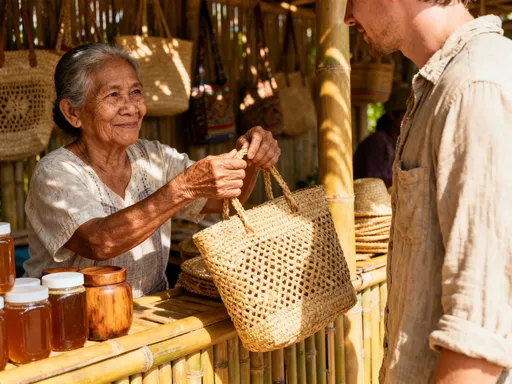
One of the most remarkable crafts I encountered in Bohol is the art of bayong weaving—a tradition that transforms simple plant fibers into functional, beautiful bags. Made from buntal or romblon palm leaves, these handwoven pieces are lightweight, durable, and deeply symbolic. Each bayong begins as raw material harvested from the countryside, where women often gather the leaves at dawn before the sun grows too strong. The fibers are then dried, softened, and dyed using natural pigments from roots, bark, and leaves, preserving methods that have been passed down for decades.
What makes bayong weaving so special is not just the craftsmanship, but the role it plays in daily life. In many rural households, every woman learns to weave, often starting in childhood. The patterns they create—geometric shapes, floral motifs, or tribal designs—carry meanings unique to their community. Some signify protection, others represent fertility or prosperity. When a traveler purchases one of these bags, they’re not just buying an accessory—they’re carrying a piece of cultural identity. The rhythmic motion of weaving, done entirely by hand on simple wooden frames, is meditative and time-consuming, with some pieces taking days to complete.
For travelers seeking authentic bayong bags, the best places to look are community cooperatives in towns like Loboc, Ubay, and Sevilla. These groups ensure fair wages for weavers and maintain quality standards. Visitors should look for tightly woven fibers, consistent coloring, and a firm structure—signs of skilled workmanship. Avoid overly cheap versions sold in airport shops, as these are often mass-produced imitations made with synthetic materials. By choosing genuine bayong bags, travelers support women-led enterprises and help preserve a vanishing art form. More than that, they take home a practical reminder of Bohol’s quiet strength and enduring creativity.
Tarsier-Friendly Crafts: Souvenirs That Give Back
Near the Philippine Tarsier Sanctuary in Corella, a quiet movement is transforming how souvenirs are made and sold. Rather than selling trinkets that exploit the island’s most famous resident, local vendors offer crafts that honor the tarsier and support conservation. These items—wood carvings shaped like the tiny primate, seed jewelry, and handmade paper notebooks—aren’t just decorative. They are part of a larger effort to protect Bohol’s fragile ecosystems and empower nearby communities. Many of the artisans are former loggers or farmers who have transitioned to sustainable livelihoods, using fallen wood, recycled paper, and wild-harvested seeds to create their wares.
What stands out about these crafts is their connection to nature. The wood carvings, for instance, are made from alnus or other fast-growing trees, ensuring no harm to old-growth forests. The seed jewelry uses pods and beans collected from the forest floor, cleaned and polished without chemical treatment. Even the paper goods are crafted from abaca pulp or recycled banana stems, pressed and sun-dried into elegant sheets. Each product tells a story of renewal and respect for the environment. When travelers buy these items, a portion of the proceeds often goes directly to tarsier protection programs or reforestation projects, creating a cycle of care that benefits both people and wildlife.
To ensure authenticity, travelers should look for vendors affiliated with recognized conservation groups or cooperatives. Many will proudly display certificates or information about their sourcing practices. Avoid any souvenirs made from animal parts, live plants, or protected species—these are not only unethical but illegal under Philippine law. Instead, choose pieces that feel honest and handmade, with slight imperfections that speak to their human origin. These are the souvenirs that matter—not because they’re perfect, but because they’re real. They represent a travel ethic that values preservation over profit, and connection over convenience.
Sweet Secrets: Bohol’s Organic Honey and Bee Farming
Deep in the interior of Bohol, where rolling hills give way to dense forest and clear streams, small beekeepers are producing some of the purest honey in the Philippines. Unlike commercial honey that’s heated, filtered, and blended, Bohol’s raw honey retains its natural enzymes, pollen, and flavor. I visited a family-run apiary in Sagbayan, where hives were tucked beneath shady trees, far from pesticides and pollution. The beekeeper, a soft-spoken man named Teodoro, explained how his family has kept bees for over 30 years, using only traditional wooden boxes and natural hive management. “We don’t rush the bees,” he said. “We let them work on their own time.”
The result is honey with distinct character. Depending on the season and location, the flavor can range from light and floral to deep and earthy. Honey from areas rich in narra and mangga trees has a golden hue and a hint of fruitiness, while honey gathered from wild shrubs in the uplands carries a smoky, herbal note. Some beekeepers even produce specialized varieties, such as kalamansi honey or honey infused with turmeric, using natural methods that enhance rather than mask the original taste. These small batches are often sold in glass jars with handwritten labels, bearing the name of the farm and the harvest date.
Buying honey directly from Bohol’s beekeepers does more than satisfy the palate—it supports sustainable agriculture and pollinator health. Bees play a crucial role in maintaining biodiversity, and small-scale beekeeping helps protect native species like the Apis cerana. When travelers purchase from local farms, they ensure that profits stay within the community and encourage the preservation of natural habitats. It’s also a chance to learn about the challenges of beekeeping, from climate change to habitat loss, and how small actions—like choosing organic honey—can make a difference. For those who value both taste and ethics, Bohol’s honey is a sweet reminder that the best things in life are made slowly, with care.
Clay, Fire, and Tradition: The Revival of Bohol Pottery
In the village of Antequera, a quiet renaissance is taking place in the world of pottery. Once a dying craft, traditional clay-making is being revived by a new generation of potters who honor their ancestors while adapting to modern needs. Using clay dug from nearby riverbanks, they shape vessels by hand or on simple kick wheels, then fire them in wood-burning kilns that reach temperatures high enough to harden the clay without glaze. The result is functional, earth-toned pottery—cooking pots called palayok, water jars known as tapayan, and decorative plates painted with natural dyes.
What makes Bohol pottery special is its connection to everyday life. For centuries, these clay vessels were essential in Filipino kitchens, used for cooking rice, storing water, and fermenting fish. The thick walls of a palayok distribute heat evenly, enhancing the flavor of stews and soups. Even today, many families prefer them over metal or ceramic cookware. But beyond utility, pottery carries cultural meaning. The shapes and techniques have been passed down orally, with elders teaching the young how to test the clay’s moisture, shape the rim, and judge the fire’s intensity. In a world of mass-produced goods, these handmade pieces are a testament to patience and precision.
Visitors can witness this craft firsthand at pottery workshops in Antequera and Maribojoc, where they can try their hand at shaping clay under the guidance of local artisans. These experiences are more than tourist activities—they are acts of cultural preservation. By participating, travelers help sustain interest in the craft and provide income for families committed to keeping it alive. Some workshops even offer overnight stays, allowing guests to fully immerse themselves in the rhythm of village life. The pottery you bring home isn’t just a souvenir; it’s a vessel of memory, shaped by fire and time, carrying the spirit of Bohol in every curve.
Where to Shop: Navigating Local Markets Without the Crowds
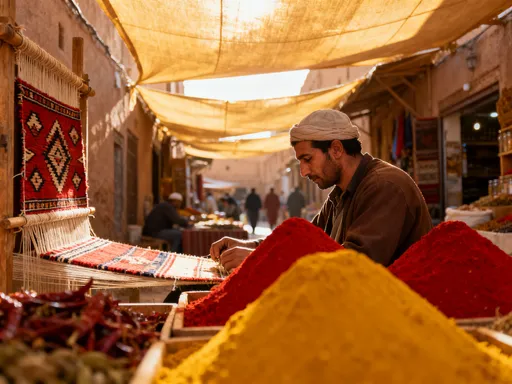
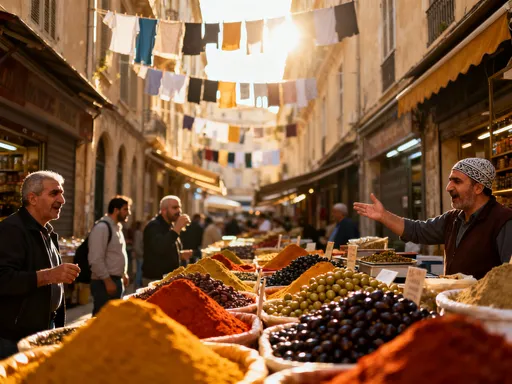
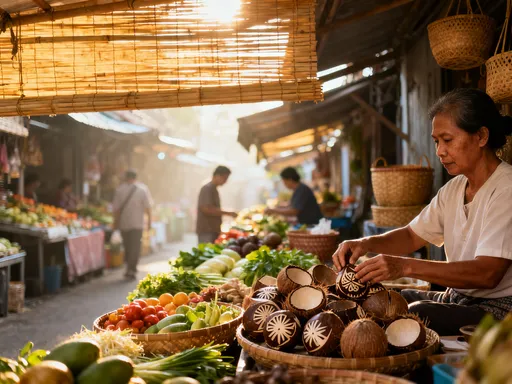
If you want to find authentic crafts and goods, skip the souvenir shops near major attractions. Instead, head to the real heart of commerce: the weekly palengke, or public market. These bustling hubs come alive on specific days of the week, depending on the town. In Ubay, the market thrives on Tuesdays; in Dimiao, it’s Thursdays; in Loon, Saturdays. They’re not designed for tourists, which is exactly what makes them special. Here, you’ll find farmers selling fresh produce, weavers offering bayong bags, and elders displaying homemade honey and pottery—all at prices that reflect local value, not tourist markup.
Navigating these markets requires a bit of strategy. Arrive early, around 7 or 8 a.m., when the best items are still available and the heat hasn’t set in. Wear comfortable shoes and bring a reusable bag—many vendors appreciate the eco-friendly gesture. Don’t be afraid to ask questions; most are happy to explain how something was made or where the materials came from. If you’re unsure about quality, look for signs of handcrafting: slight variations in size, natural dyes that may bleed a little, or the weight of a well-fired clay pot. These imperfections are not flaws—they’re proof of authenticity.
Bargaining is common, but it should be done respectfully. Start by asking the price, then offer slightly less—never less than 20% of the original. A smile and a polite tone go a long way. Remember, many of these vendors rely on daily sales to support their families. If a price is firm, accept it gracefully. You’ll earn more respect—and perhaps a warm conversation—than if you push too hard. And always carry small bills; large denominations can be inconvenient in these cash-based economies. By shopping thoughtfully, you not only find unique treasures but also become part of a system that values fairness, dignity, and community.
Travel With Purpose: Why These Finds Matter
The souvenirs we bring home say something about the kind of travelers we are. When we choose items made by hand, with care, and rooted in culture, we make a statement: that we value depth over convenience, people over profit, and stories over status. The bayong bag woven by a mother in Loboc, the jar of honey harvested from Bohol’s hills, the clay pot shaped by a potter in Antequera—these are not just objects. They are connections. They carry the imprint of human hands, the wisdom of tradition, and the quiet pride of a community that welcomes visitors with open hearts.
Traveling with purpose means slowing down, looking closely, and choosing intentionally. It means stepping off the beaten path not for novelty, but for meaning. It means understanding that every purchase has an impact—whether it supports a family, preserves a craft, or protects a forest. In Bohol, this kind of travel is not only possible; it is celebrated. The island’s hidden markets are not hidden because they want to exclude. They are hidden because they have not yet been discovered by those who travel with intention.
As more travelers seek authentic experiences, the demand for meaningful souvenirs grows. This creates opportunities for local artisans to thrive without sacrificing their values. It encourages the preservation of languages, techniques, and ecological knowledge that might otherwise fade. And it transforms tourism from a one-sided exchange into a mutual relationship—one built on respect, curiosity, and shared humanity. The next time you plan a trip, ask yourself: What kind of traveler do I want to be? The answer might be waiting in a quiet market, shaped by fire, woven by hand, or stored in a jar of golden honey. True treasures aren’t bought. They are discovered—with care, with gratitude, and with purpose.