This Is Why Agra Blew My Mind – You’ve Gotta Experience It
You know that feeling when a place completely shatters your expectations? Agra did that to me. Beyond the postcard-perfect Taj Mahal, this city pulses with life, color, and unforgettable moments. From sunrise at the world’s most iconic monument to wandering bustling bazaars and tasting flavors that explode on your tongue—it’s not just sightseeing, it’s real connection. If you're chasing experiences that stick with you long after the trip, Agra delivers in ways you never saw coming. Let me take you through the moments that made my visit unforgettable.
The Magic of Sunrise at the Taj Mahal
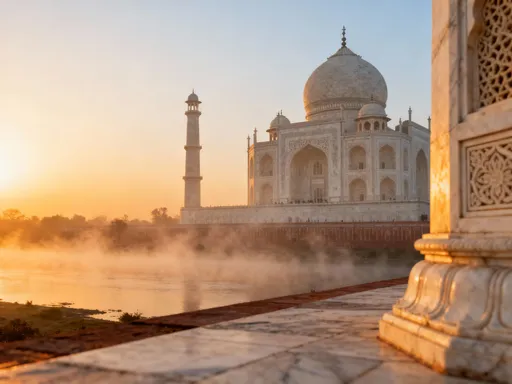
There is a quiet hush that settles over Agra before dawn, a stillness that feels almost sacred. Arriving at the East Gate of the Taj Mahal just before 5:30 a.m., wrapped in a light shawl against the morning chill, I joined a slow-moving stream of travelers and photographers, all drawn by the same promise: to witness the marble masterpiece awaken with the sun. No photograph, no video, can truly replicate the emotion of seeing the first golden rays touch the northern dome, transforming the ivory surface into a warm, glowing silhouette. The Yamuna River, calm and reflective, mirrors the monument in soft ripples, doubling its grandeur. It is a moment suspended in time—one that feels both grand and intimate, like being let in on a centuries-old secret.
Timing is everything when planning this experience. The Taj opens at sunrise, but arriving 30 to 45 minutes early ensures you secure a prime viewing spot along the main pathway or near the reflecting pool. The west side often draws larger crowds, so entering from the east offers a slightly more peaceful start. As the light intensifies, the marble shifts in tone—from pale gray to rose gold to brilliant white—revealing intricate details in the inlay work that remain hidden under dim lighting. The call to prayer from a nearby mosque occasionally drifts through the air, adding a spiritual depth to the atmosphere.
For those hoping to capture the perfect photo, a few practical tips can make all the difference. A tripod is not allowed inside, but a steady hand and a camera with good low-light performance can still yield stunning results. Avoid flash, as it disrupts the natural ambiance and is discouraged by park staff. If you're traveling with family, this moment offers a rare chance to pause, breathe, and simply be present. Children often stand in quiet awe, their usual energy replaced with wonder. It’s not just a sightseeing stop; it’s a sensory and emotional milestone that sets the tone for the entire journey through Agra.
Exploring Agra Fort: More Than Just Stones
Just a short walk from the Taj Mahal stands Agra Fort, a massive red sandstone fortress that served as the main residence of the Mughal emperors until the capital shifted to Delhi. More than just an architectural marvel, the fort is a living narrative of power, ambition, love, and heartbreak. Walking through its towering gates, one can almost hear the echoes of courtly debates, the rustle of silk robes, and the whispered conversations of royal advisors. The scale is immense—spreading over 94 acres, the complex houses palaces, audience halls, mosques, and private chambers, each telling a piece of India’s imperial past.
Among the most poignant spaces is the Musamman Burj, an octagonal tower with delicate marble latticework. This was the prison chamber where Emperor Shah Jahan spent the last eight years of his life, under house arrest by his son Aurangzeb. From this elevated perch, he could gaze upon the Taj Mahal—the mausoleum he built for his beloved wife, Mumtaz Mahal. Standing in that same spot, looking out at the distant white dome shimmering across the river, evokes a deep sense of melancholy and reverence. It’s a powerful reminder that behind the grandeur of empires are deeply human stories of love, loss, and longing.
To fully appreciate the fort’s layered history, hiring a local guide is highly recommended. Knowledgeable guides, often available near the entrance or through licensed tourism associations, bring the stone walls to life with stories of royal intrigue, architectural innovation, and daily court life. They can point out subtle details—like the cooling system in the Khas Mahal, where water flowed through channels beneath the marble floors, or the Diwan-i-Am, where the emperor addressed the public. Visiting in the late morning allows for good lighting, but it’s wise to bring water, wear a hat, and plan for shade, as much of the complex is exposed to the sun. With proper pacing, two to three hours is sufficient to explore the key highlights without feeling rushed.
A Culinary Journey Through Local Markets
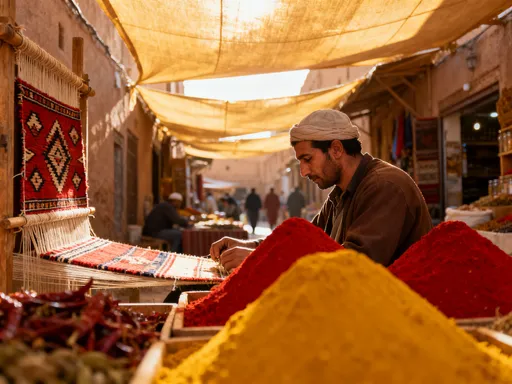
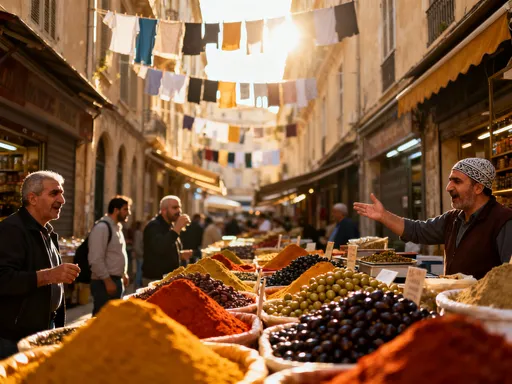
While the Taj Mahal may be Agra’s crown jewel, its bazaars are where the city truly comes alive. A walk through Sadar Bazaar or Kinari Bazaar is an assault on the senses—in the best possible way. The air is thick with the scent of cumin, cardamom, and sizzling meat. Vendors call out their specials, pots clang in open kitchens, and colorful pyramids of spices, sweets, and textiles spill onto the sidewalks. This is where locals eat, shop, and socialize, far removed from the curated menus of tourist restaurants. For travelers seeking authenticity, these markets offer a direct line to Agra’s soul.
One cannot visit Agra without trying its famed street food. Start with a plate of succulent seekh kebabs, grilled over charcoal and served with mint chutney and onions. The smoky flavor, combined with a squeeze of lime, is unforgettable. Equally iconic is the jalebi—bright orange coils of fried batter soaked in sugar syrup, best eaten warm and crispy. For a cooling contrast, try lassi from a roadside stall, either sweet or salted, served in a tall glass with a dollop of malai (clotted cream). And don’t miss the city’s signature sweet: petha. Traditionally made from ash gourd and sugar, this translucent candy comes in modern variations like kesar (saffron), paan (betel leaf), and even chocolate-infused versions. Look for vendors with high turnover, as freshness is key.
Eating street food safely is a matter of smart choices. Observe hygiene practices—avoid stalls with flies, uncovered food, or unclean utensils. Opt for items that are cooked fresh in front of you, like samosas or parathas. Stick to bottled or sealed water, and avoid ice unless you’re certain it’s made from purified water. Many locals drink masala chai served in small clay cups (kulhads), which are both hygienic and eco-friendly. Sharing a cup with a vendor or fellow traveler often leads to smiles and brief conversations, reinforcing the idea that food is more than sustenance—it’s a bridge between people. When approached with respect and awareness, Agra’s culinary scene becomes one of the most rewarding parts of the journey.
Beyond the Taj: Hidden Gems Most Tourists Miss
For all its fame, the Taj Mahal is just one chapter in Agra’s rich story. Venture beyond the main circuit, and you’ll discover quieter, equally compelling sites that offer space, solitude, and deeper insight into the city’s heritage. One such place is Mehtab Bagh, a charbagh (Mughal garden) located directly across the Yamuna River from the Taj. Built as a moonlight garden, it offers one of the most breathtaking panoramic views of the monument, especially at sunset. Unlike the crowded viewing platforms near the main site, Mehtab Bagh is spacious and peaceful, with symmetrical pathways, fountains, and fruit trees that echo the design principles of the Taj itself.
Another overlooked gem is the Tomb of Itimad-ud-Daulah, often called the “Baby Taj.” Built by Empress Nur Jahan for her father, this elegant marble mausoleum predates the Taj Mahal and is considered a draft of its grander successor. What makes it special is the exquisite pietra dura work—floral patterns, geometric designs, and calligraphy inlaid with semi-precious stones. The craftsmanship here is so refined that it feels almost delicate, a contrast to the imposing scale of later Mughal architecture. Because it attracts fewer visitors, you can explore at your own pace, reading inscriptions, photographing details, and simply absorbing the tranquility.
For those interested in contemporary culture, a visit to one of Agra’s marble workshops offers a different kind of discovery. Tucked away in narrow lanes, these small factories showcase the continuation of a centuries-old craft. Watching artisans hand-cut and inlay stones into marble slabs is mesmerizing—a blend of patience, precision, and artistry. While some shops cater to tourists with mass-produced souvenirs, others are genuine family-run studios where master craftsmen train apprentices in traditional techniques. These experiences add depth to a visit, reminding travelers that Agra’s legacy isn’t frozen in time; it’s actively being preserved and passed on.
The Art of Marble Inlay: Watching Craftsmanship Come Alive
One of the most unforgettable moments of my trip was stepping into a small workshop near Fatehabad Road, where the air hummed with the soft tapping of chisels and the scent of wet stone. Rows of artisans sat cross-legged on low platforms, hunched over marble slabs, their hands moving with quiet focus. This was pietra dura, the intricate stone inlay technique perfected during the Mughal era and famously used in the Taj Mahal. Each piece begins with a hand-drawn design, then tiny fragments of lapis lazuli, jade, carnelian, and turquoise are carefully cut, shaped, and set into precisely carved grooves. The process can take weeks—or even months—for a single tabletop or panel.
What struck me most was the silence in the room, broken only by the rhythmic tapping of tools. There were no machines, no loud equipment—just skilled hands guided by generations of knowledge. One craftsman, his eyes magnified by a jeweler’s loupe, explained that apprentices spend years mastering the basics before they’re trusted with fine details. The precision required is extraordinary; a single misaligned stone can disrupt the entire composition. Yet, there’s a deep pride in this work. Many artisans come from families who have practiced the craft for over a century, passing down techniques that can’t be replicated by machines.
Supporting ethical craftsmanship is an important part of responsible tourism. When purchasing marble inlay items, look for signs of authenticity: natural stone (not plastic or painted glass), tight seams between pieces, and hand-signed certificates if available. Avoid overly cheap souvenirs, which are often mass-produced in factories with poor labor conditions. By choosing to buy from reputable studios or cooperatives, travelers contribute directly to the preservation of a cultural heritage. More than a keepsake, these pieces become a story—a tangible connection to the people and skills that continue to define Agra’s identity.
Getting Around Agra: Local Transport Tips That Save Time
Navigating Agra as a first-time visitor can feel overwhelming, but with a few smart strategies, getting from site to site becomes smooth and even enjoyable. The city is compact enough that many major attractions—Taj Mahal, Agra Fort, and the bazaars—are within a few kilometers of each other. However, traffic can be chaotic, and unfamiliar streets may confuse even seasoned travelers. Knowing your transport options in advance can save time, reduce stress, and help you make the most of your itinerary.
Auto-rickshaws are the most common mode of short-distance travel. Brightly colored and nimble, they can weave through traffic and drop you close to entrances. Always agree on the fare before starting the journey—most drivers expect negotiation, but rates should remain reasonable. For example, a ride from the Taj to Agra Fort should cost between 100 and 150 INR, depending on the season. E-rickshaws, the electric version, are quieter, cleaner, and slightly cheaper, making them ideal for short hops or family groups. They’re especially useful for returning to your hotel after a long day of sightseeing.
Taxis and ride-hailing apps like Ola and Uber are available but less common in Agra than in larger cities. Pre-paid taxi booths at major stations and hotels offer fixed rates, which help avoid disputes. For those comfortable with walking, the area around the Taj is pedestrian-friendly in the early morning and late evening. Just be mindful of uneven sidewalks and stray animals. Using Google Maps or an offline city map app can help you stay oriented, though signal strength may vary. Ultimately, the key is flexibility—allowing extra time between visits, staying hydrated, and embracing the occasional detour as part of the adventure.
Why Agra Stays With You Long After You Leave
Months after returning home, I still find myself thinking about Agra—not just for its monuments, but for the quiet moments in between. The smell of frying jalebis at dawn. The warmth of a chai vendor’s smile when I mimed “ek aur” (one more). The hush that fell over the crowd as the sun cleared the horizon at the Taj. These fragments linger, not as memories of a checklist completed, but as echoes of a place that touched something deeper. Agra doesn’t just impress; it resonates.
What makes the city so enduring is its ability to blend the monumental with the human. The Taj Mahal stands as a symbol of eternal love, but it’s the living culture—the artisans, the families at the fort, the children flying kites in Mehtab Bagh—that gives it context and heart. Traveling here isn’t about ticking off UNESCO sites; it’s about slowing down, observing, and connecting. It’s about understanding that history isn’t just in books or ruins—it’s in the hands of a craftsman, the recipe of a street vendor, the gaze of an elder watching the sunset over the river.
For women travelers, especially those in the 30 to 55 age group balancing family, work, and personal dreams, Agra offers a rare kind of fulfillment. It’s a destination that rewards curiosity, invites reflection, and reminds us of the beauty in patience, craftsmanship, and quiet moments. With thoughtful planning, cultural respect, and an open heart, a trip to Agra becomes more than a vacation—it becomes a chapter in your own story. So if you’ve ever wondered whether it lives up to the hype, let me assure you: it does. And then some. Go not just to see, but to feel. Because once you’ve stood in the morning light at the Taj, with the world waking around you, you’ll understand why Agra doesn’t just stay with you—it changes you.