What I Ate in the Black Forest Will Blow Your Mind
You know that feeling when you travel somewhere new and the food ends up stealing the show? That’s exactly what happened in Germany’s Black Forest. I went for the misty woods and fairy-tale villages, but stayed for the cherry cakes, smoky sausages, and farmhouse cheeses that tasted like they came from another century. This isn’t just a destination—it’s a full sensory journey, where every meal tells a story of tradition, seasons, and soul. Let me take you deep into the flavors that define this legendary region.
The Heart of the Black Forest: More Than Just Trees
The Black Forest, or Schwarzwald in German, stretches across the southwestern corner of Germany, a vast, undulating expanse of dense evergreen trees, deep valleys, and rolling hills that rise into alpine meadows near the Swiss border. Its name comes from the dark canopy of fir and pine that filters sunlight so dramatically, early travelers described it as a place where shadows ruled. Yet beyond its haunting beauty lies a land shaped by self-reliance, seasonal rhythms, and a profound connection to nature. This isolation—once a barrier—became the foundation of a culinary identity that values preservation, simplicity, and quality above all.
The region’s cool, moist climate and nutrient-rich soil create ideal conditions for dairy farming, fruit orchards, and wild foraging. Rainfall feeds lush pastures where cows graze on a diverse mix of grasses and herbs, contributing to the exceptional flavor of local milk and cheese. The same forests that inspired Brothers Grimm tales are also larders in their own right, offering wild mushrooms, berries, and aromatic herbs like wood sorrel and wild garlic. In towns like Freiburg, a vibrant university city at the southwestern gateway, modern life blends seamlessly with tradition. Here, weekly farmers' markets overflow with organic produce, homemade preserves, and freshly baked bread, setting the tone for what lies deeper in the countryside.
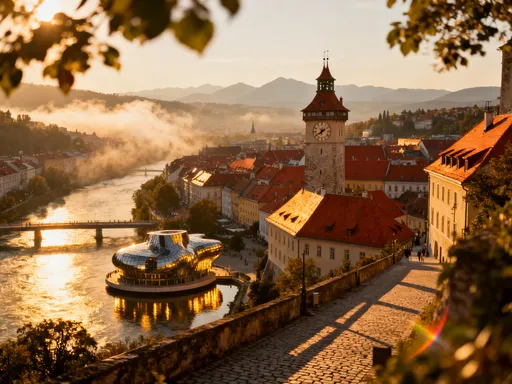
Further north, Triberg is famed for its waterfalls and cuckoo clocks, but its real charm lies in its family-run inns and bakeries where recipes are passed down through generations. Gengenbach, with its half-timbered houses and cobbled lanes, hosts seasonal festivals celebrating wine, apples, and cherries—each a nod to the region’s agricultural heartbeat. These towns are not just picturesque stops; they are living centers of culture where food is more than sustenance. It is memory, identity, and hospitality made tangible. Every dish served reflects centuries of adaptation to the land, where nothing goes to waste and every ingredient has purpose.
The Black Forest’s culinary traditions were born out of necessity. Winters are long and harsh, historically limiting access to fresh produce for months at a time. This led to the development of preservation techniques—smoking, curing, fermenting, and pickling—that not only extended shelf life but enhanced flavor. The result is a cuisine that celebrates depth, richness, and texture, with an emphasis on ingredients that can be stored or foraged year-round. Today, these methods are not relics but living practices, upheld by artisans and families who see them as essential to who they are.
Black Forest Cake: The Icon That Tells a Story
No discussion of the Black Forest’s food culture is complete without the region’s most famous export: the Black Forest cake, or Schwarzwälder Kirschtorte. Instantly recognizable with its layers of chocolate sponge, whipped cream, and dark cherries, this dessert is more than a sweet treat—it is a symbol of craftsmanship and regional pride. Its origins are debated, but most food historians agree it emerged in the early 20th century, perfected by confectioners in places like Tübingen and Offenburg. What sets it apart is not just its appearance, but the inclusion of kirsch, a clear brandy distilled from sour Morello cherries grown abundantly in the region.
Authentic Schwarzwälder Kirschtorte follows a precise structure: each layer of chocolate cake is soaked in kirsch, then filled with a mixture of fresh cherries and whipped cream. The entire cake is then coated in more cream and decorated with chocolate shavings, additional cherries, and sometimes a dusting of powdered sugar. The kirsch is not optional—it is essential. It cuts through the sweetness, adds complexity, and ties the dessert directly to the local terroir. Outside the region, many versions skip the alcohol or use cherry syrup instead, resulting in a dessert that looks similar but lacks depth.
For travelers, tasting a true Black Forest cake in a village bakery is a revelation. In Baden-Baden, a historic spa town known for its elegance, pastry chefs still prepare the cake by hand, using family recipes that demand patience and precision. In smaller villages, the cake might be served in a sunlit café with views of mist-covered hills, the cream slightly less stiff, the cherries more tart, and the kirsch more pronounced. These subtle differences speak to a culture of variation within tradition—each household and bakery adding its own touch while respecting the core elements.
Attempts to recreate the cake at home often fall short, not due to skill, but because of ingredient authenticity. Store-bought kirsch outside Germany rarely matches the quality of locally distilled versions. Likewise, the texture of the cream—light yet stable—relies on fresh, high-fat dairy that is standard in the region but harder to source elsewhere. Even the chocolate matters: German bakers prefer a high-cocoa, slightly bitter variety that balances the fruit’s sweetness. The lesson is clear: some foods are inseparable from their origins. The Black Forest cake is best experienced where it belongs—amid the trees, the orchards, and the quiet kitchens where tradition is lived, not just remembered.
Farmhouse Kitchens: Where Tradition Lives
To understand the soul of Black Forest cuisine, one must step into a Bauernhof, a working farmhouse that doubles as a restaurant. These are not staged experiences but living spaces where families grow, raise, and prepare their own food. Meals are served in timber-beamed dining rooms, often with red-checkered tablecloths and views of grazing cows. The menu changes with the seasons, reflecting what is fresh and available. In spring, dishes feature wild greens and asparagus; summer brings fresh tomatoes, herbs, and berries; autumn is rich with game, mushrooms, and apples; and winter highlights preserved foods, root vegetables, and hearty stews.
One of the most beloved dishes found in these farm kitchens is Flammkuchen, a thin, crispy flatbread similar to pizza but with Alsatian roots. Traditionally topped with crème fraîche, onions, and smoked bacon, it is baked in a wood-fired oven until the edges are blistered and the center creamy. The result is a perfect balance of smoky, tangy, and savory flavors. Another staple is Spätzle, a soft egg noodle that serves as a side or base for richer dishes. When served with melted cheese and onions, it becomes Käsespätzle, often described as Germany’s answer to mac and cheese—but with a rustic, handmade quality that elevates it far beyond comfort food.
Sauerkraut, another regional favorite, is not the jarred version many know from supermarkets. Here, it is fermented slowly over weeks, resulting in a tangy, crisp condiment that pairs perfectly with sausages and smoked meats. Some farmhouses even serve it warm, with caraway seeds and a splash of white wine, transforming it into a side dish with depth and warmth. The sausages themselves—whether Bratwurst, Leberwurst, or Blutwurst—are often made on-site, using pork from local farms and seasoned with traditional blends of marjoram, nutmeg, and pepper.
What makes dining in a farmhouse so special is not just the food, but the atmosphere. Chefs often greet guests personally, offering recommendations or sharing stories about the day’s harvest. Children might wander through the dining room, and dogs rest by the door. There is no pretense, no rigid service—only warmth and generosity. This is food as it was meant to be: shared, seasonal, and deeply connected to the land and people who produce it. For visitors, especially those raising families or seeking meaningful travel experiences, this kind of meal offers a rare sense of belonging.
Smoke, Salt, and Time: The Art of Black Forest Ham
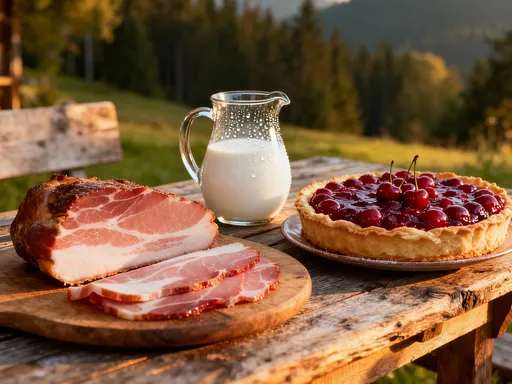
Among the most revered products of the region is Schwarzwälder Schinken, or Black Forest ham. Protected under European Union law since 1997, this dry-cured, cold-smoked ham is made exclusively in the Black Forest using specific methods passed down for generations. The process begins with high-quality pork legs, which are first rubbed with a mixture of salt, garlic, coriander, juniper, and other spices. The hams are then left to cure for several weeks, allowing the flavors to penetrate and the moisture to slowly draw out.
After curing, the hams are cold-smoked over beechwood for up to five weeks. This slow smoking imparts a deep, earthy aroma without cooking the meat, preserving its tender texture. The final product is aged for months—sometimes over a year—developing a rich, complex flavor that is both savory and slightly sweet. The result is a ham with a dark exterior, marbled fat, and a deep pink interior that slices paper-thin and melts on the tongue. Unlike commercial hams that rely on brines and additives, Schwarzwälder Schinken contains only pork, salt, spices, and time.
Visiting a small producer offers a glimpse into the dedication behind each slice. In a family-run smokehouse near Freudenstadt, the air is thick with the scent of beechwood and curing meat. Hams hang in rows from wooden rafters, slowly transforming under careful temperature and humidity control. The master curer checks each one by hand, testing firmness and aroma. This is not industrial production; it is craftsmanship. And because the process cannot be rushed, output remains limited, ensuring quality over quantity.
Travelers can enjoy Black Forest ham in many ways. While it is often served simply on bread with mustard, it also stars in traditional dishes like Schinkennudeln (ham and noodle casserole) or as a topping for Flammkuchen. In fine dining settings, it may be paired with figs, honey, or aged cheese, highlighting its versatility. For families, it is a reliable and flavorful addition to picnics, children’s lunches, or holiday spreads. More than just a food item, it represents a commitment to patience, authenticity, and regional pride—values that resonate deeply with those who appreciate slow, mindful living.
Dairy Done Right: From Alpine Pastures to the Table
The Black Forest’s dairy tradition is as rich as its forests are deep. Cows graze on high-altitude meadows known as Almen, where the variety of grasses, clover, and wildflowers contributes to the unique flavor of their milk. This milk forms the basis of some of Germany’s most prized dairy products: creamy butter, thick natural yogurt, quark (a fresh dairy spread), and mountain cheeses like Bergkäse and Harzer. These are not mass-produced items but artisanal goods, often made in small cooperatives or family-run dairies known as Molkereien.
Bergkäse, or mountain cheese, is a firm, nutty cheese aged for several months. It is traditionally made in summer when cows are moved to higher pastures, a practice known as Almwirtschaft. The cheese is stirred by hand, pressed into molds, and stored in cool cellars where it develops a natural rind. Each wheel tells a story of its origin—subtle differences in flavor reflect the pasture, the season, and the cheesemaker’s touch. When served on a cheese board with dark rye bread, apple compote, and walnuts, it offers a taste of the alpine landscape in every bite.
Butter in the Black Forest is another standout. With a fat content higher than many commercial varieties, it spreads like silk and carries a slight tang from the fermentation process. It is used generously in cooking—melting into potatoes, enriching sauces, or topping fresh bread with nothing else needed. Even the yogurt is different: thicker, less sweet, and cultured to preserve probiotics. Families rely on these products daily, not for trendiness, but because they are nutritious, satisfying, and deeply rooted in routine.
A visit to a local Molkerei reveals the care behind each batch. In one such dairy near Todtnau, milk is delivered fresh each morning from nearby farms. It is pasteurized gently, then cooled and cultured to produce yogurt or cheese. The facility is spotless, the workers attentive, and the process transparent. Visitors can taste samples straight from the vat—something rare in industrial food systems. For travelers, especially those interested in healthy, sustainable eating, this kind of transparency is both reassuring and inspiring. It shows that good food doesn’t require complexity—just care, time, and respect for nature.
Foraged Flavors: Nature’s Hidden Pantry
One of the most magical aspects of Black Forest cuisine is its deep connection to foraging. Long before supermarkets, families relied on the forest floor for food, gathering wild mushrooms, berries, herbs, and nuts to supplement their diets. This tradition continues today, not out of necessity but as a cherished cultural practice. Morel season in spring draws entire families into the woods, scanning the damp soil for the prized honeycomb-capped fungi. Summer brings blueberries, raspberries, and wild strawberries, while autumn is the golden age of chanterelles, porcini, and hedgehog mushrooms.
These ingredients find their way into everything: mushroom soup enriched with cream and thyme, berry jams swirled into yogurt, wild garlic pesto tossed with Spätzle. In restaurants, chefs proudly list foraged items on seasonal menus, celebrating their fleeting availability. Some even offer guided foraging tours, led by local experts who teach participants how to identify edible plants safely. These experiences are especially popular with families, offering children a hands-on way to connect with nature while learning about food sources.
Foraging is not just about food—it is a form of mindfulness, a way to slow down and observe the subtle changes in the forest. It teaches patience, respect, and gratitude. And because it is regulated—gatherers are limited to personal use and must avoid protected areas—it remains sustainable. The result is a cuisine that feels alive, tied to the rhythm of the seasons and the health of the ecosystem. For women who value balance, wellness, and authenticity, this aspect of Black Forest life is deeply resonant.
A Meal to Remember: Putting It All Together
My most unforgettable meal took place at a centuries-old Gasthaus in the village of St. Märgen, tucked into a quiet valley surrounded by fir trees. The dining room had polished wood floors, long communal tables, and windows that framed the evening mist rolling over the hills. The owner, Frau Weber, welcomed us like old friends, recommending the daily specials with a warmth that made us feel instantly at home.
The meal began with a slice of Black Forest ham, served with house-pickled cucumbers and a smear of whole-grain mustard. Next came Flammkuchen topped with smoked onions and fresh chives, its crust crackling under the fork. The main course was Zwiebelrostbraten—a juicy pan-seared steak topped with a mountain of caramelized onions and served with creamy Spätzle and a side of warm Sauerkraut. Every bite was rich, balanced, and deeply satisfying. For dessert, we shared a slice of Schwarzwälder Kirschtorte, the kirsch flavor subtle but present, the cherries bursting with tartness.
As we lingered over coffee and apple strudel, I reflected on how each dish reflected more than taste—it spoke of history, stewardship, and community. This was not fast food, nor fine dining in the modern sense. It was food with intention, made by people who cared. For travelers seeking authenticity, such experiences are priceless.
To make the most of a visit, plan around the seasons. Summer offers hiking and outdoor festivals; autumn is ideal for foraging and wine tasting; spring brings fresh greens and milder weather; even winter has charm, with cozy inns and holiday markets. To find authentic spots, look for small, family-run establishments, avoid tourist-heavy plazas, and ask locals for recommendations. And when dining, a simple ‘Guten Appetit’ goes a long way.
The Black Forest is more than a destination. It is a reminder that the best things in life—good food, clean air, strong communities—are often found in the quietest places. Its cuisine is not about spectacle, but substance. It invites you to slow down, savor deeply, and remember that true nourishment comes not just from what we eat, but how it connects us—to the earth, to each other, and to the rhythms of a life well lived.